
October brings cooler weather, making it more pleasant to spend time outdoors. In this article, we’ll introduce events in Tokyo—including art events, food festivals, and outdoor movie screenings—that let you fully enjoy both the “autumn of the arts” and the “autumn of the appetite.”
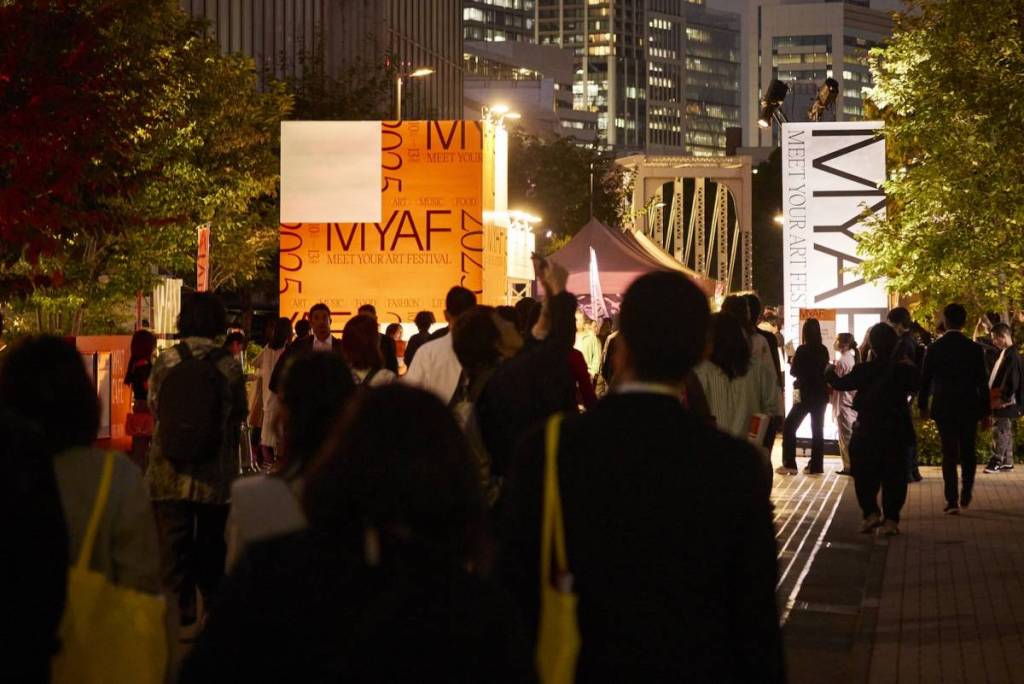
One of Japan’s largest art and culture festivals, featuring over 150 up-and-coming artists across the entire festival, returns this year. At “CO-CROSSOVER,” an art fair where domestic and international artists, curators, and creators intersect across genres, 15 exhibition projects will be presented. These projects showcase practices emerging from diverse cultures and communities, intersecting across themes such as the body, technology, and the natural environment.
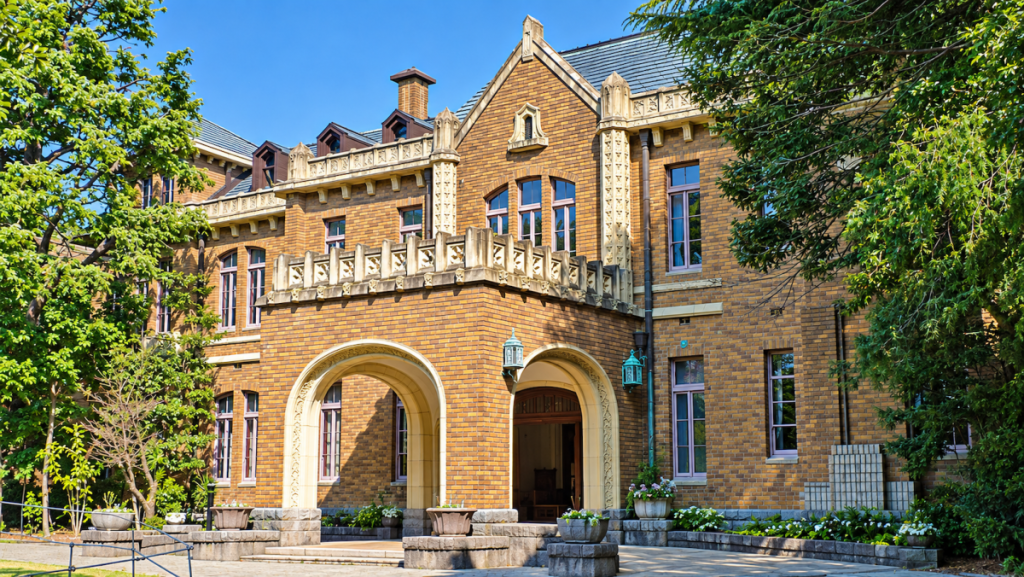
“Tokyo Cultural Properties Week” will be held around Culture Day on November 3. This special open-house event, featuring cultural properties not normally open to the public, runs from Saturday, October 24, through Tuesday, November 3 (a national holiday).Special programs, including cultural property tours and special exhibitions, will be held from Thursday, October 1, through Monday, November 30. Special guided tours of the Former Maeda Family Residence, a Designated Important Cultural Property, will be available from Saturday, October 25, through Monday, November 3 (a national holiday). Participation is free.

The “Candlelight Concert” has captivated over 3 million people in cities around the world. What sets it apart from other concert events is, as the name suggests, the opportunity to enjoy music surrounded by the glow of over 3,000 LED candles that envelop the venue. In October, it will be held on the 10th (Sat), 23rd (Fri), and 30th (Fri).
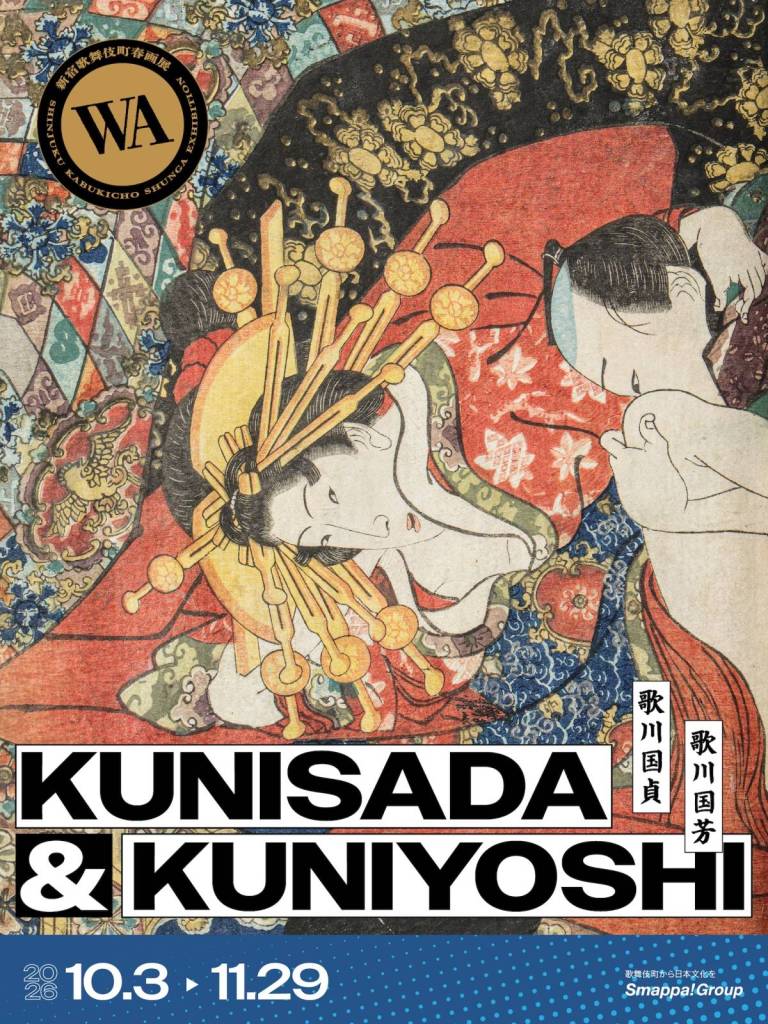
This exhibition focuses on two artists who captivated the public during the Bakumatsu period: Utagawa Kunisada and Utagawa Kuniyoshi. The highlight of the exhibition is the rare opportunity to see Kunisada’s Shunga trilogy—commonly known as the “Three Genji”—which is considered the pinnacle of ukiyo-e woodblock prints, all on display together in one place. Additionally, poet Machi Tawara and actor Yudai Chiba serve as “voice guides” for the audio tour.
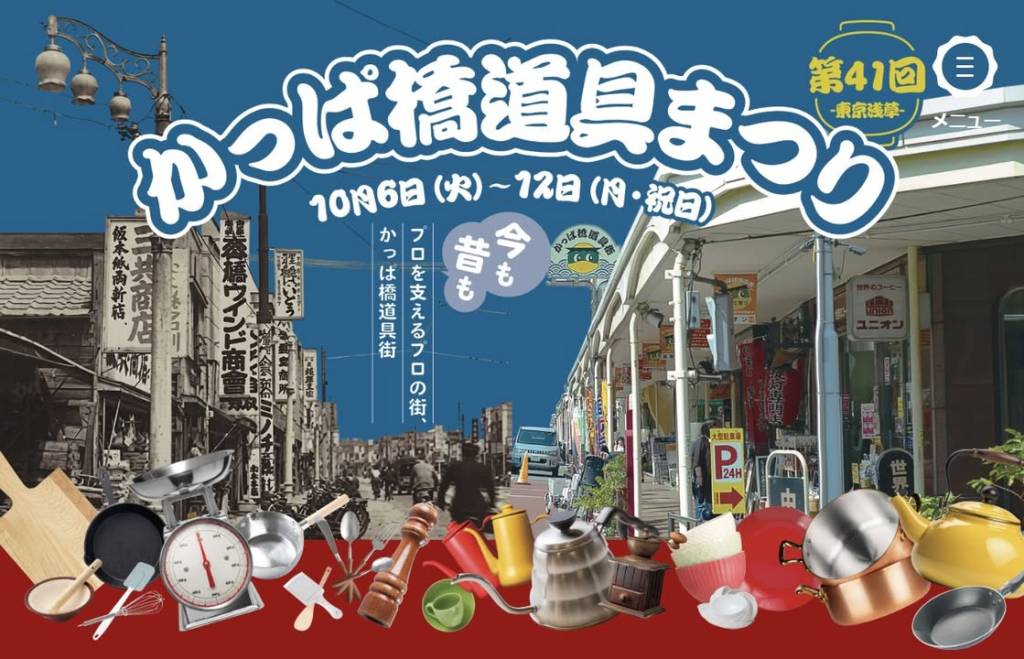
Kappabashi Kitchenware District’s major fall event is back again this year. In addition to special deals on cooking utensils, tableware, and food samples, Kappabashi Kitchenware District Street will become a pedestrian-only zone on the final day, Monday, October 12 (a national holiday), featuring food trucks, a parade, and a Japanese taiko drum performance.
An outdoor film screening event held in the serene, green surroundings of Shinjuku Central Park. In addition to screenings of *Cinema Paradiso*, *La La Land*, and *Sing Street* , you can enjoy live music starting at 6:00 p.m. and food from food trucks offering a “cinema menu” inspired by the featured films.
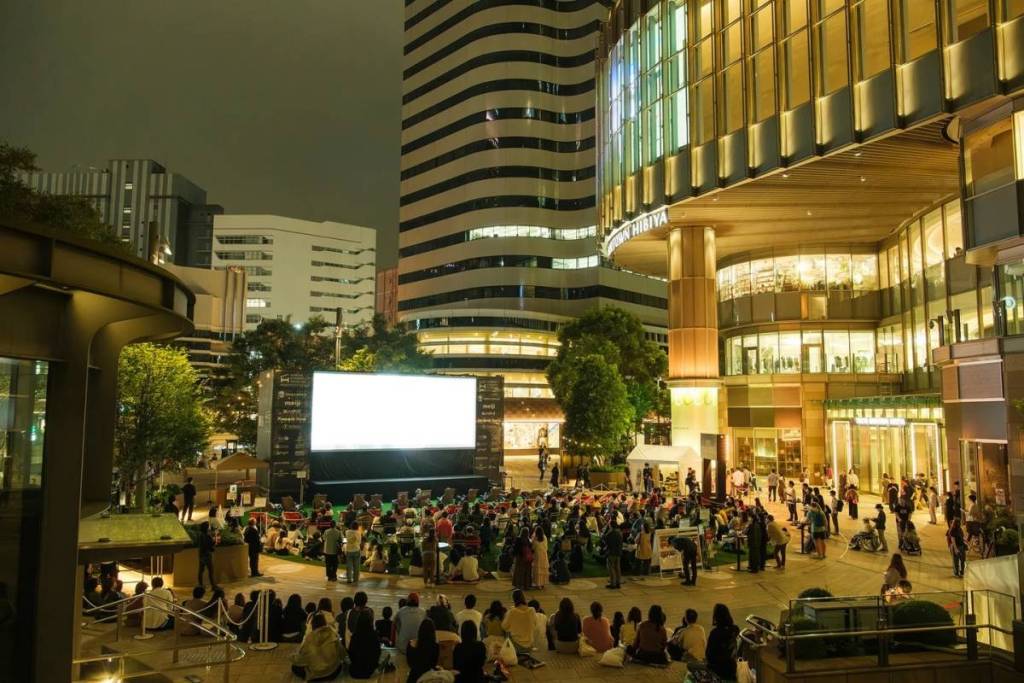
Now in its ninth year, this cinema festival features a diverse program that includes open-air film screenings on a large outdoor screen, collaborations with domestic and international film festivals and awards ceremonies, talk events with directors and cast members, and food and beverage partnerships with events throughout the Hibiya neighborhood.
The first-ever “Culture and Arts Festival,” with all of Tokyo as its venue, is being held.With the Waterfront Area, the Hibiya and Marunouchi Area, and the Yoyogi and Shibuya Area serving as core zones, the festival will feature a wide range of art and entertainment programs in parks, along the waterfront, and throughout the city, in conjunction with various other events. The opening act, “ARTE TOKYO CIRCUS,” will be performed at Odaiba Seaside Park on Saturday, October 10, and Sunday, October 11.
This outdoor festival is held on a site equivalent to about 13 Tokyo Domes—located a 15-minute bus ride from Odaiba— which served as the venue for eventing and rowing/canoeing during the Tokyo 2020 Olympic and Paralympic Games. You can also pitch a tent in the camping area and stay overnight (overnight camping pass: ¥3,000 per person).The highlight of this year’s attractions—especially given that the festival coincides with Sports Day—is the “Grand Sports Festival,” an event for everyone from children to adults to participate in together.
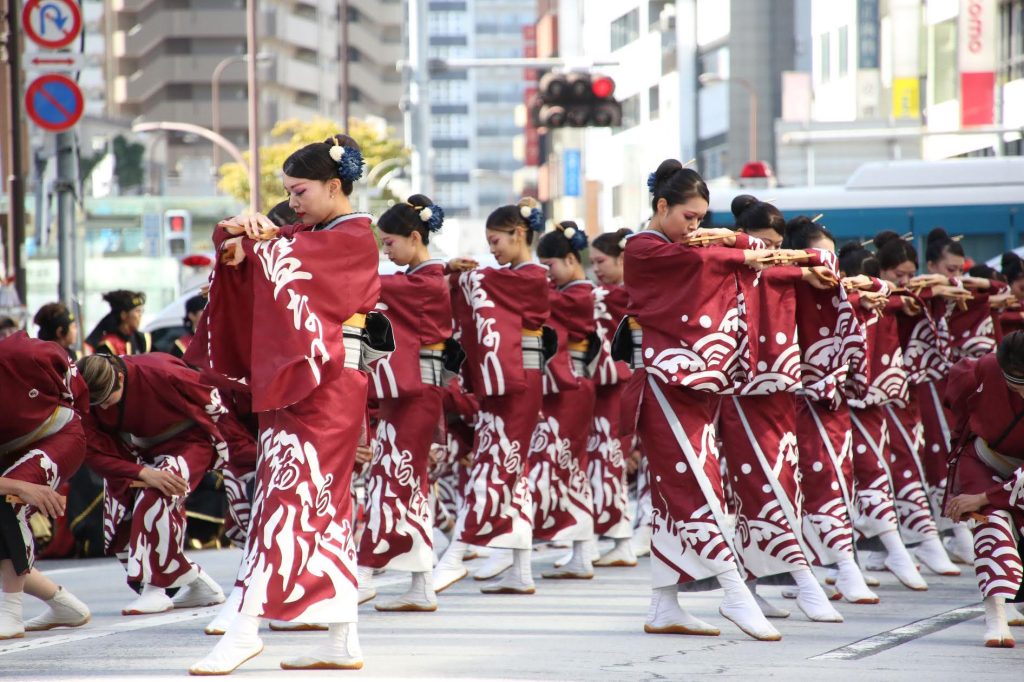
“Tokyo Yosakoi” was launched in 2000 as part of the “Fukuro Festival,” Toshima Ward’s annual fall community festival. Every year, 110 teams—comprising 5,000 dancers from across the country—bring the streets to life with their original choreography, costumes, and music.With different performances at each venue and group dances where anyone can join in, the event is packed with elements that go beyond mere spectating— making “the very act of being there” a moving experience in itself.
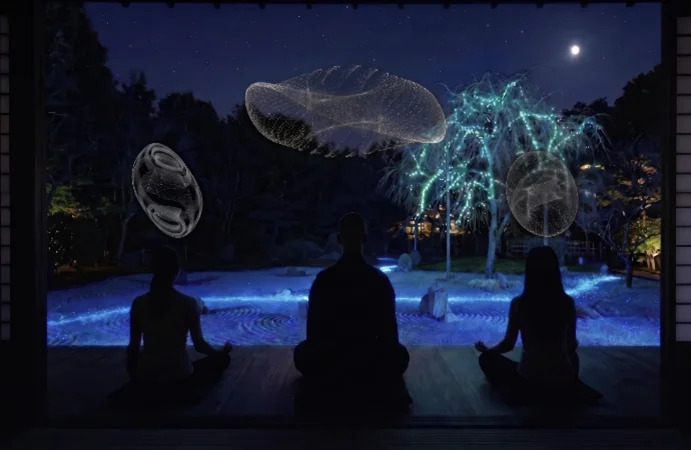
An immersive sound art night event set in a historic Zen space, designed to engage all five senses through sound, light, silence, and nature. The gardens of the Tokyo National Museum—which normally close at 5:00 p.m.—will be open specially at night to coincide with the special exhibition “Daitoku-ji: Japan’s Unparalleled Zen Garden,” commemorating the 700th anniversary of the temple’s founding.“Brainwave Zazen,” a new style of zazen program that fuses science and Zen—practiced while wearing VIE’s earphone-style EEG monitors—is available by reservation only.
This popular event, set against the backdrop of Yoyogi Park at night, is back again this year. During the event, you can enjoy live music, DJs, street performances, and food every day until 10:00 PM—all with free admission. One of the market’s main attractions is its diverse culinary offerings, including burgers, tacos, street food from across Asia, and Brazilian cuisine. After 10:00 PM, after-parties featuring DJs are held at clubs and bars in Shibuya.
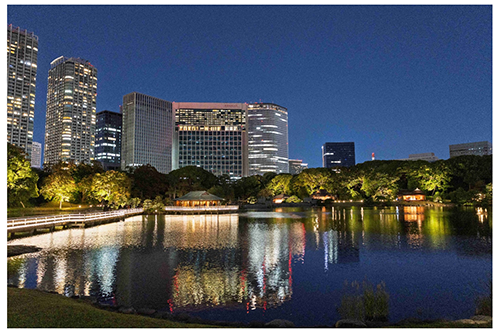
Coinciding with “Jusanya”—said to be the second most beautiful night for moon viewing after “Jugoya”—the garden’s opening hours will be extended until 9:00 p.m. to feature events that let you enjoy the garden at night, including a moon-viewing altar offering ceremony, traditional performing arts performances, and guided tours.As part of the “Second Phase of the 80th Anniversary Commemorative Events”—marking the 80th anniversary of the garden’s opening as a metropolitan park—opening hours will be extended for five days, from Friday, October 30, through Tuesday, November 3 (a national holiday).
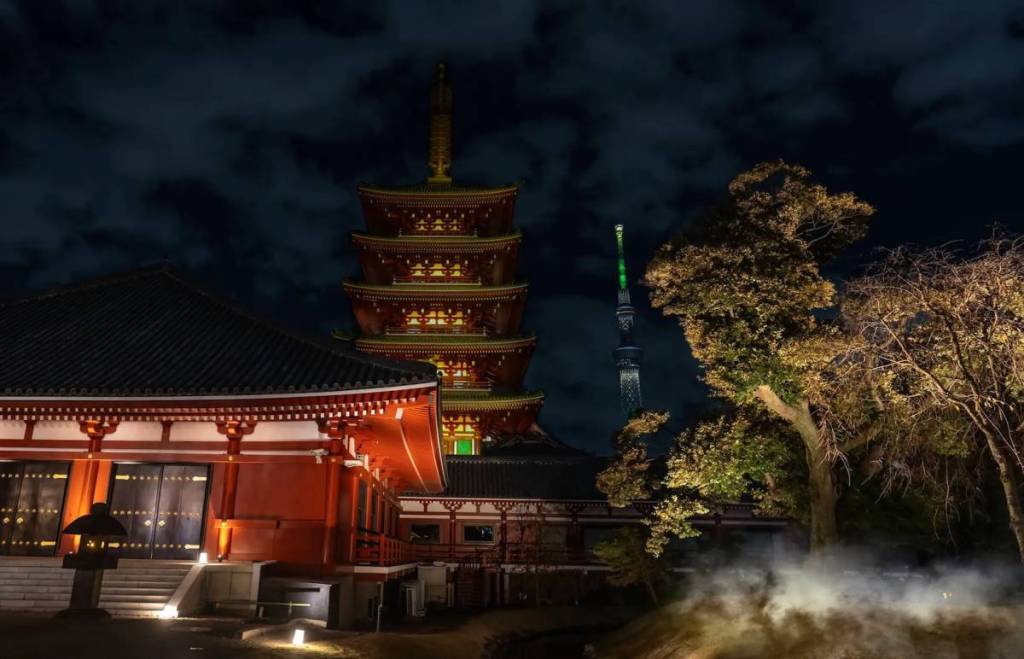
A special five-day viewing event offers a rare opportunity to explore the Denpo-in Garden—a scenic spot within the grounds of Senso-ji Temple normally closed to the public—and the Ema Hall, which houses approximately 50 large ema (votive plaques) painted by historic artists such as Utagawa Kuniyoshi, Hasegawa Setsutan, and Itsumi (Kano) Kazunobu. “ASAKUSA CULTURE & LIGHTS 2026,” where you can enjoy free projection mapping, will also be held concurrently.
An interactive exhibition focusing on the art direction of Japanese horror films, where you can not only “watch” the works but also “photograph” and “touch” them. All the artworks on display were directed by art directors who have been active in the Japanese film industry for many years. Even items that appear to be asphalt, iron, concrete, or stone are not made from real materials.They were created with ingenuity and ingenuity, taking into account budget constraints, ease of fabrication, and manageable weight.