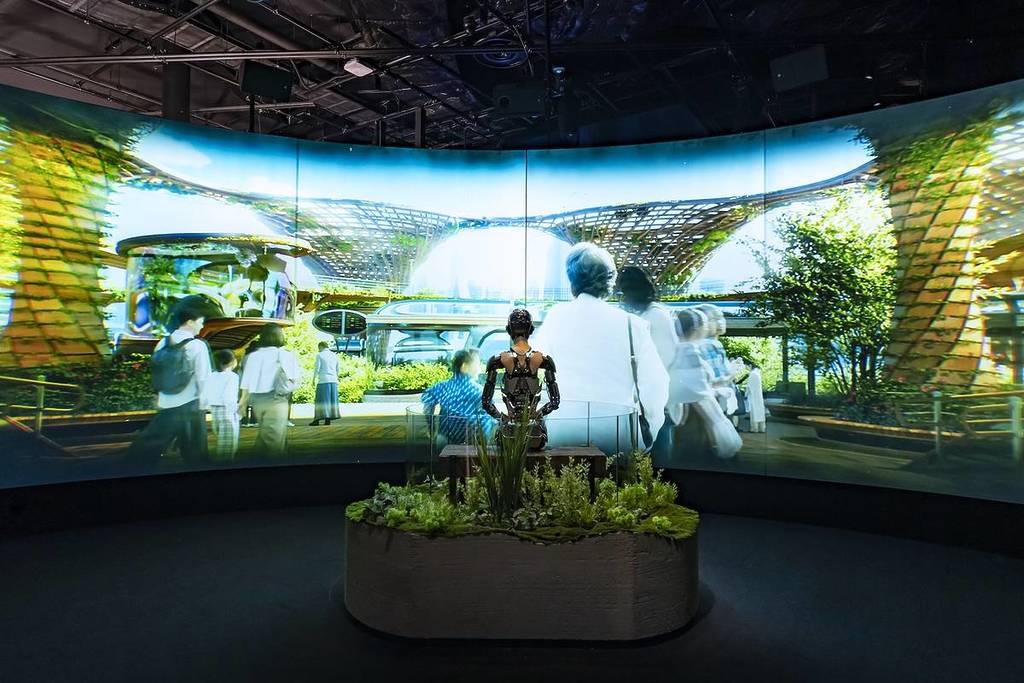

Under the supervision of Hiroshi Ishiguro (Professor at Osaka University and Visiting Director of the ATR Institute for the Future of Life), a leading authority in robotics and android research, “The Future of Life”—which captivated many visitors at the World Expo—has been restructured to suit the MoN Takanawa venue as “The Future of Life+,” which is currently on display.
New scenarios have also been added that encourage visitors to confront “Choices for the Future of Life.”
Through robot performances and moving dramas, the exhibition invites visitors to reflect on the meaning of life.
The installation at the venue consists of three zones.
“ZONE 1: The Journey of Life” is a zone that showcases the history of how the Japanese have imbued objects with life from ancient times to the present. From Jomon-period clay figurines to modern androids, visitors can experience the rich Japanese culture that has breathed life into a wide variety of dolls.
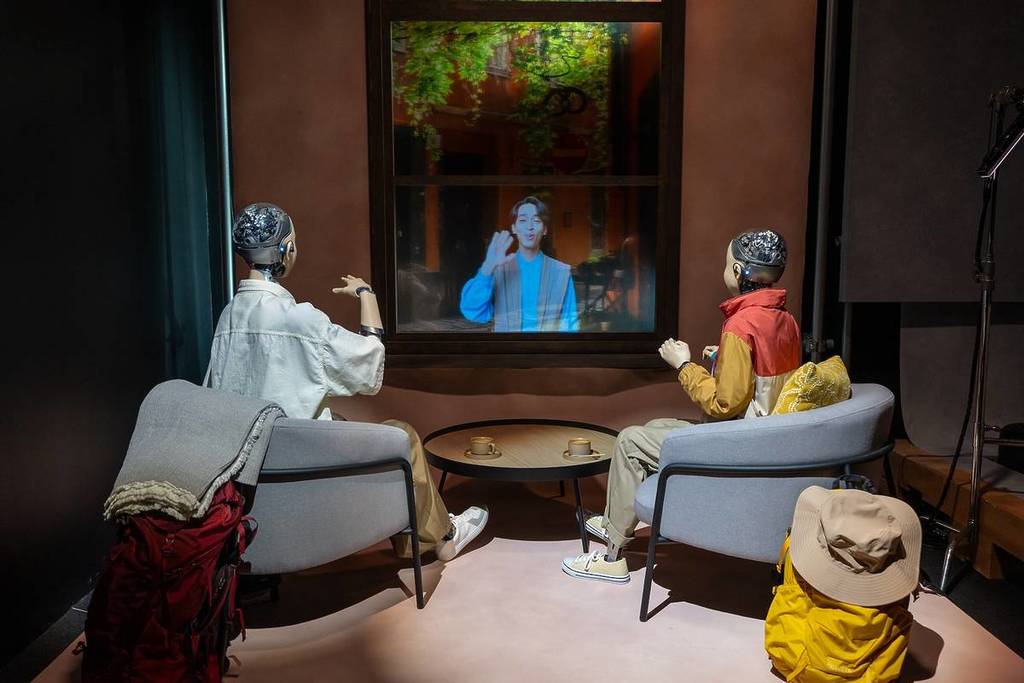
In the pavilion’s main exhibition, “ZONE 2: The Future 50 Years from Now,” visitors can immerse themselves in a narrative to experience firsthand a vibrant daily life where humans coexist with androids and make use of various products powered by advanced technology.
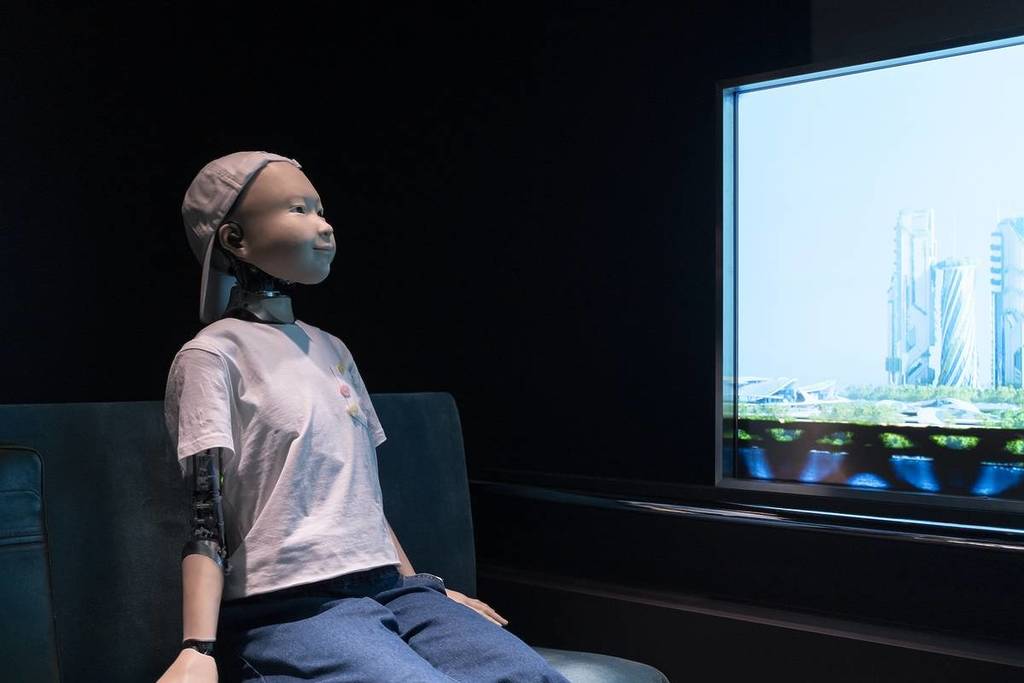
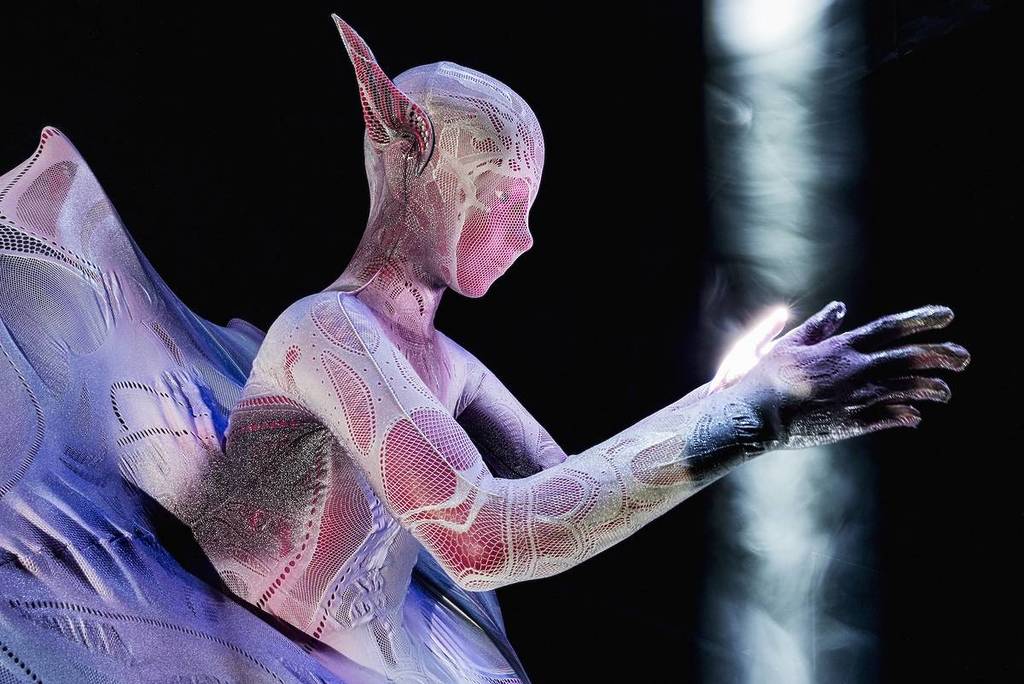
“ZONE 3: Life 1,000 Years from Now—‘Mahoroba’” is a zone where visitors can encounter humans of the future who have evolved and developed through science and technology.
In a fantastical space enveloped in sound and light that evokes a vision of the world 1,000 years from now, visitors encounter human figures liberated from the constraints of the physical body.
Comment by Hiroshi Ishiguro (Professor, Osaka University / Visiting Director, ATR Future of Life Institute)
“The Osaka-Kansai Expo Signature Pavilion ‘Future of Life’ received high praise and resonated deeply with many visitors during the Expo, and we were honored to welcome dignitaries from various countries, researchers, artists, and Their Majesties the Emperor and Empress. It is a source of immense joy for us to be able to present this pavilion once again in Tokyo.”
The pavilion was designed to encourage visitors to consider how we should choose new technologies in the future and how we should confront our own lives. We hope that MoN Takanawa: The Museum of Narratives will also provide many people with an opportunity to reflect on their own “Future of Life.”
“As people of the modern age equipped with advanced technology, we have a responsibility not only to receive the future but also to design and shape it ourselves.”
Why not take this opportunity to explore “the fundamental questions we face as living beings” by bridging the gap between science and the humanities?