
From large parks where adults can relax, to facilities where you can interact with animals for free, to libraries and museums that are fun even on rainy days—here are 15 spots the whole family is sure to enjoy!
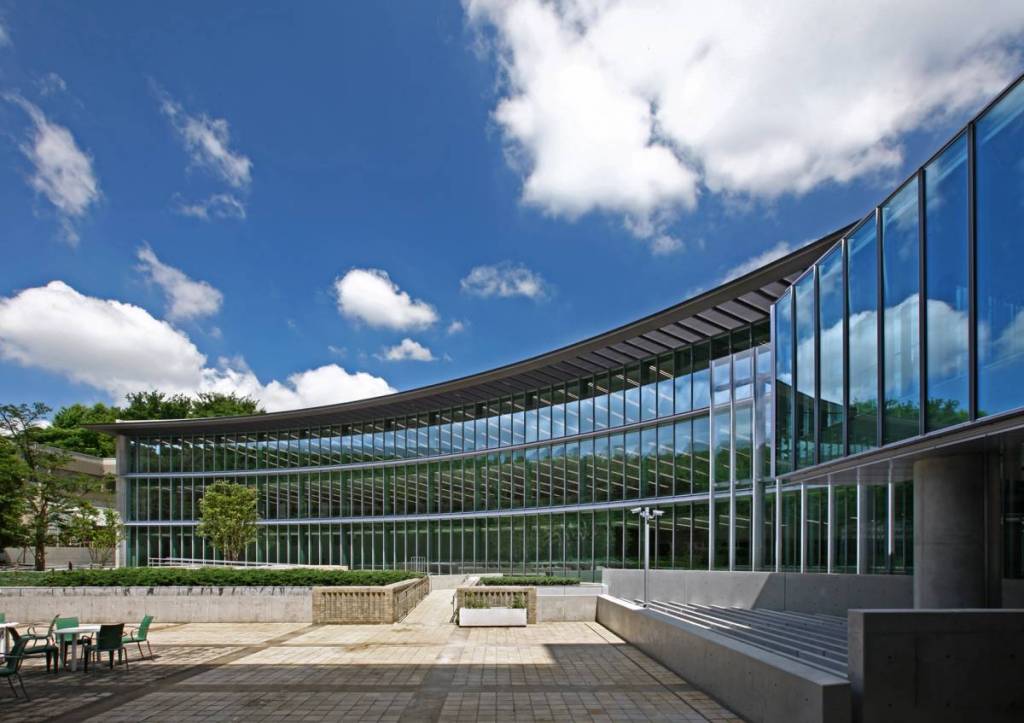
The National Diet Library consists of two buildings: a brick wing designated as a historic structure by the Tokyo Metropolitan Government, and a glass-covered wing featuring beautiful curved arches.The “Children’s Room” inside the Brick Building is an open-shelf reading room primarily for elementary school students and younger, housing approximately 10,000 children’s books. The “Room for Learning About the World,” which served as a VIP lounge during the Imperial Library era, features a collection of about 2,000 books aimed at deepening international understanding.
A free zoo located a 15-minute walk from Nishi-Kasai Station. In the petting area, which operates on a strict time-slot system, visitors can interact with rabbits, guinea pigs, and Call Ducks. The petting area is open at 10:20 a.m., 10:45 a.m., 11:10 a.m., 1:30 p.m., 1:55 p.m., and 2:20 p.m., except on Mondays and Tuesdays.
Pony Land is located within the Edogawa Ward Comprehensive Recreation Park, which features a variety of parks such as Children’s Plaza, Family Sports Plaza, and Shinsakongawa Waterside Park. Children in sixth grade and younger can ride ponies for free, as well as interact with them and feed them carrots (for a fee).
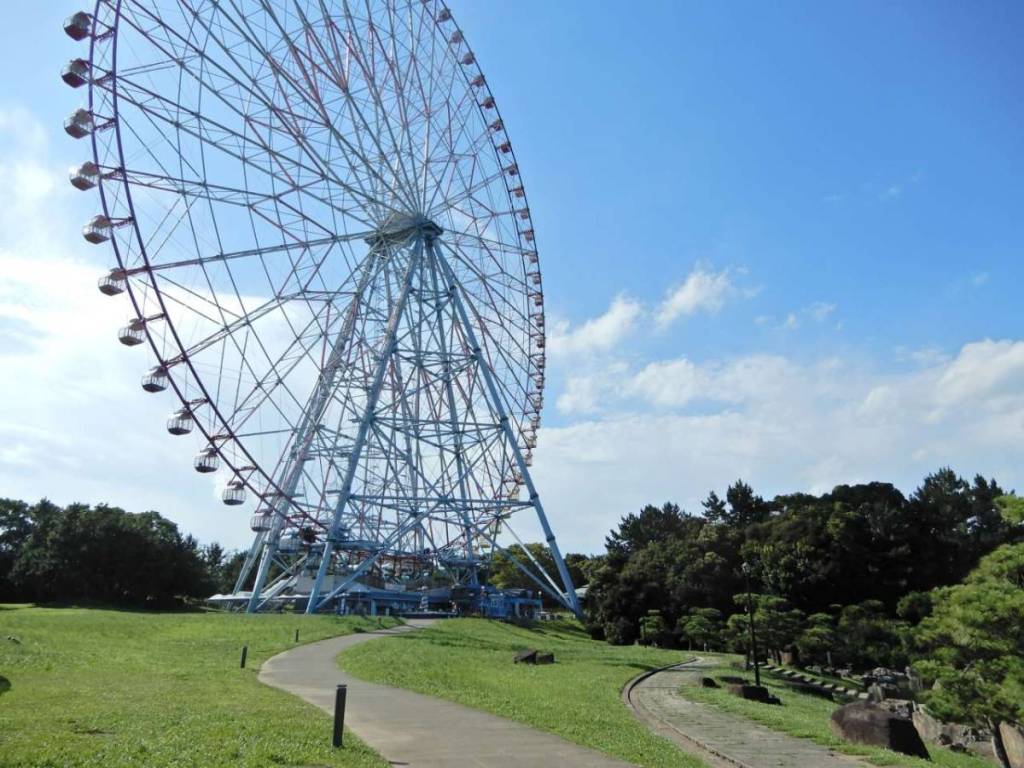
Overlooking Tokyo Bay, this park is organized into five zones centered around the theme of interaction between nature, water, and people. The Bird Park zone opened in 1994, the “Crystal View” observation rest house in 1995, and in 2001, a Ferris wheel (¥800 for ages 3 and up) standing 117 meters tall opened, offering a roughly 17-minute aerial ride. Since it’s located a short distance from the city center, it’s highly recommended for families looking to avoid the crowds.
A national park spanning Tachikawa City and Akishima City. With a swimming pool, barbecue areas, a vast “Everyone’s Meadow,” and a dog park on the grounds, you’ll never get bored no matter how many times you visit. *Free admission for junior high school students and younger.
The JRA Equestrian Park, which had been closed in conjunction with the equestrian events of the Tokyo 2020 Olympic and Paralympic Games, reopened in November 2023 following a renovation. The park hosts JRA horse shows and, primarily on event days, offers horse therapy activities geared toward children and those who have never ridden a horse. It also features a kids’ corner, diaper-changing stations, and nursing rooms—a welcome convenience for families with young children.

This is the only park in the ward where you can fish, and crucian carp are the main catch. While fishing gear is not available for rent, anyone can easily enjoy fishing as long as they handle the fish carefully with a net or similar tool and return them to the pond immediately. Hours of operation are 6:00 a.m. to 6:00 p.m. from April to September, and 7:00 a.m. to 5:00 p.m. from October to March.

An interactive museum operated by the Tokyo Metropolitan Waterworks Bureau. It features facilities where children can learn through play, such as “Aqua Park,” which has a pool and water toys suitable for even the youngest children, and “Aqua Trip,” where visitors can trace the “Great Water Cycle” as if they were a drop of water and experience the “Journey of Water” with their whole bodies.
This park opened in October 2023. The “Inclusive Plaza” on the grounds regularly hosts play equipment and workshops centered on the themes of inclusion and diversity. The plaza is covered with artificial turf that provides cushioning and allows visitors to enjoy the grassy area year-round, so families with small children can feel at ease while spending time there.
A park where children in middle school and younger can interact with ponies and small animals. From 10:00 a.m. to 11:30 a.m. and from 1:30 p.m. to 3:00 p.m., children can pet and hold small animals such as guinea pigs, rabbits, and dogs. Additionally, children in middle school and younger can enjoy a pony-riding experience for 200 yen per person per ride, riding a pony along a roughly 150-meter round-trip course within the park.
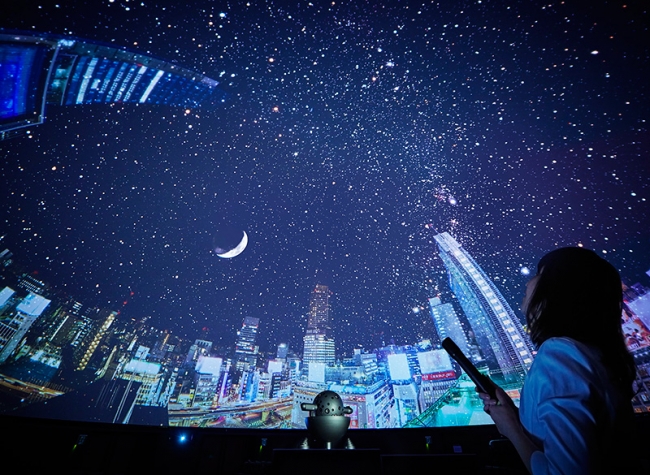
A planetarium located inside the Shibuya City Cultural Center Owada. It offers a wide variety of projection programs, including “Kids’ Time” for young children, the healing “Starry Music Series,” and “Tonight’s Star Tour,” featuring unique constellation commentary. Eight star guides take turns presenting the shows on a random daily basis. Admission is free for children under elementary school age.
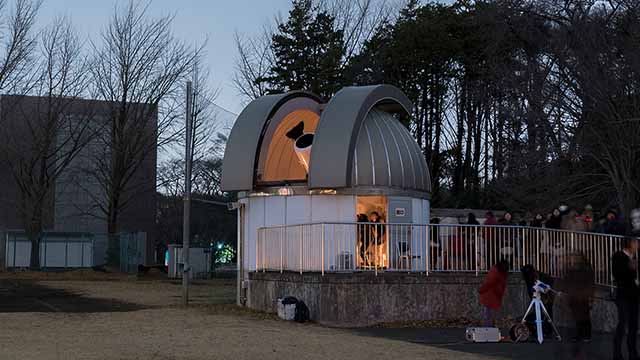
A research institution serving as a hub for astronomical research in Japan. It hosts events for the general public —such as regular stargazing sessions held twice a month— that allow people to experience the wonders of astronomy. The facility’s 4D2U Dome Theater presents immersive, full-dome 3D images on a 10-meter-diameter dome screen.
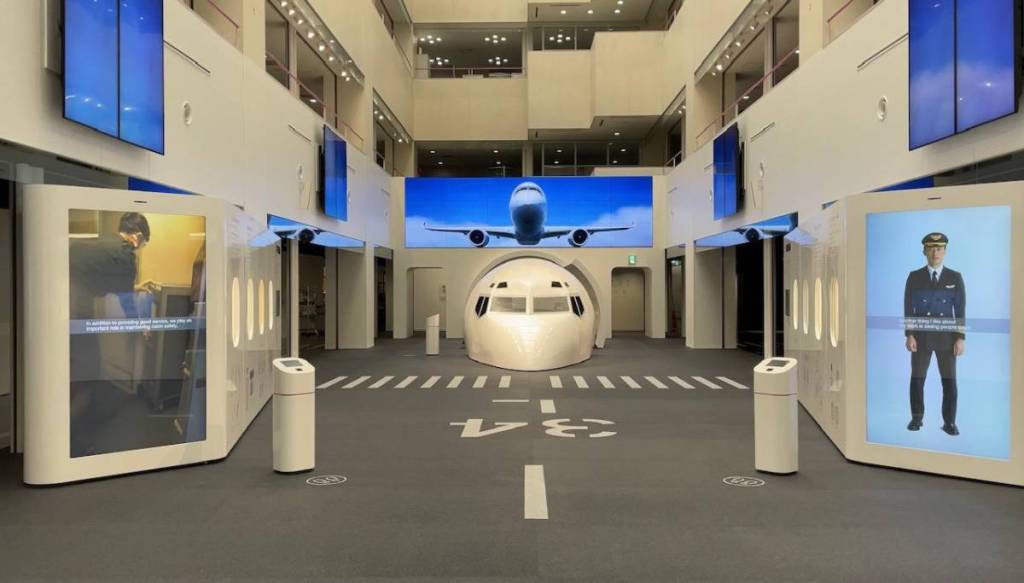
A spot where you can learn about aviation careers and JAL’s history while seeing real aircraft up close. In the museum, you can freely explore various sections, including exhibits on the work of staff who support flights and JAL’s historical artifacts. Tours of the hangar are available with a staff guide. *Free for children 12 and under; children under elementary school age are not permitted.

In addition to introducing the various ANA Group companies that make up the maintenance division supporting the ANA Group’s safe operations, the facility features areas where visitors can experience simulated maintenance work. In the hangar, visitors can appreciate its vast size from the third-floor deck, while on the first floor, they can see actual airplanes and maintenance technicians at work up close. *Recommended for children in first grade and above, or ages 6 and up.
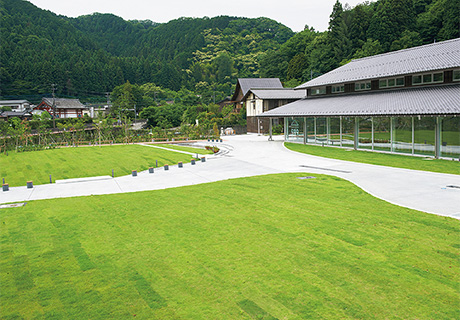
An art museum worth visiting while hiking Mount Takao, which was awarded three Michelin stars in 2019 alongside Mount Fuji. In its comfortable spaces—such as the café and terrace, where the indoor and outdoor areas blend seamlessly—visitors can learn about Mount Takao’s rich ecosystem, history, and culture through videos and exhibits.