
Under the supervision of founding director and editorial engineer Seigo Matsuoka, naturalist Hiroshi Aramata, architect Kengo Kuma, and art historian and art educator Shingo Kamino, the museum disseminates culture from mainstream to pop culture through a multifaceted approach.
23 October 2026 10:00 + more dates
角川武蔵野ミュージアム
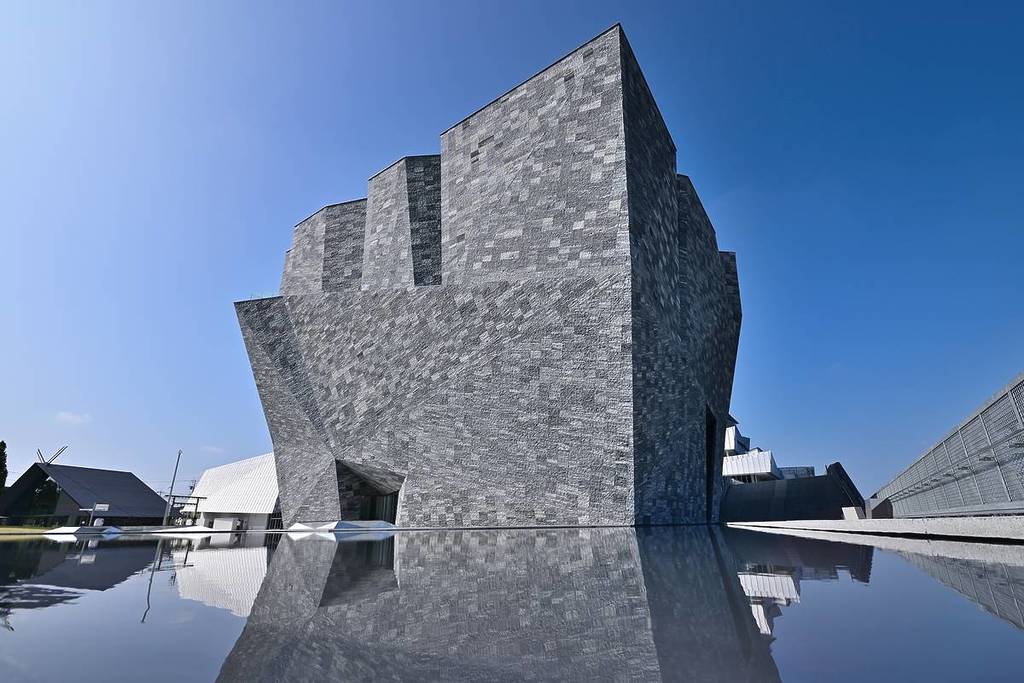
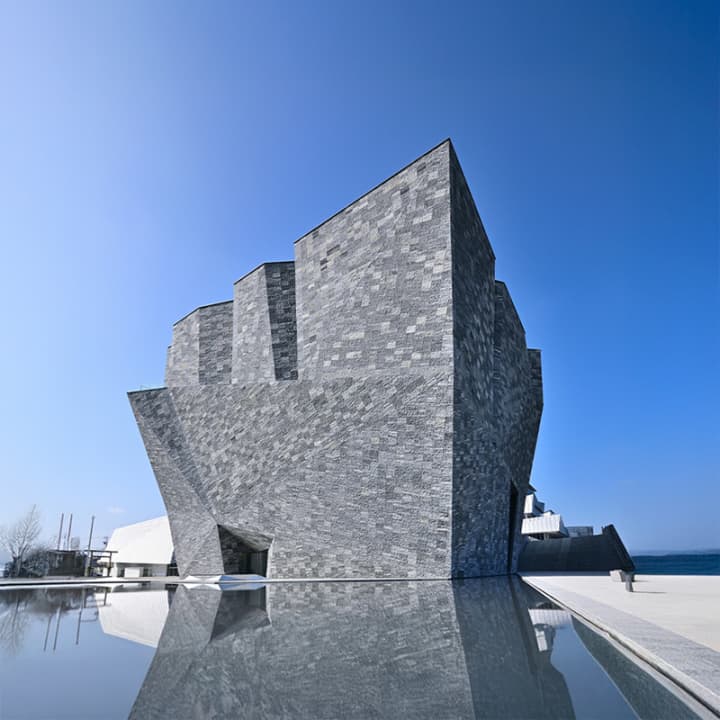
About a 10-minute walk from Higashi-Tokorozawa Station, the Kadokawa Musashino Museum is a building that stands out prominently within “Tokorozawa Sakura Town.” The architectural design of its exterior was supervised by world-renowned architect Kengo Kuma.
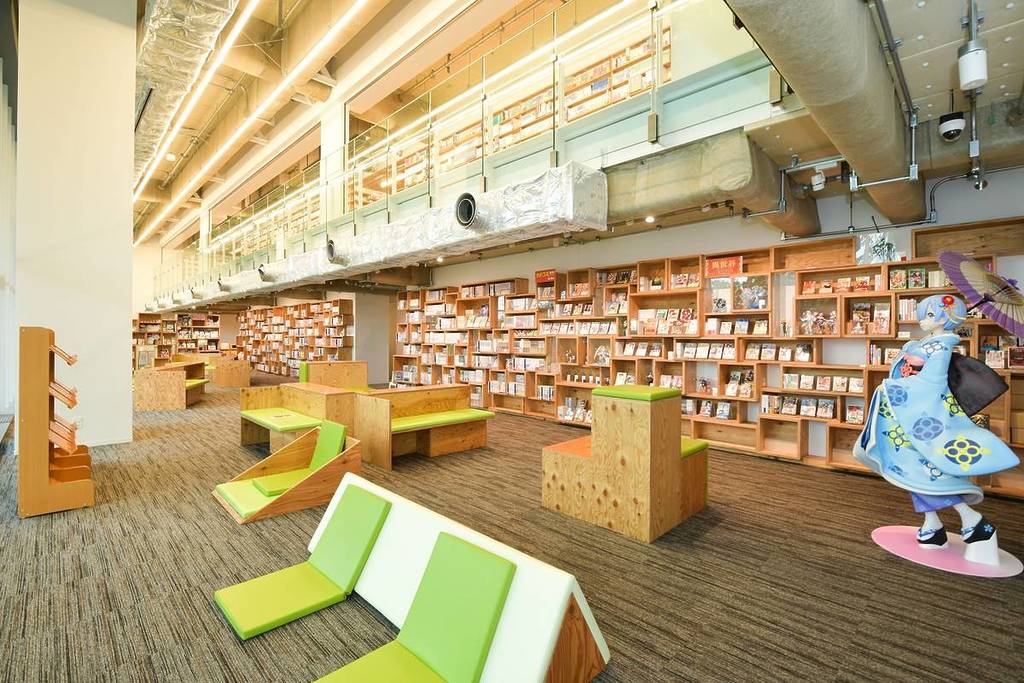
The entrance, which houses the ticket counter, is located on the second floor. On the first floor, you’ll find the “Grand Gallery”—the museum’s largest exhibition space—as well as the “Genji Garden,” featuring a Taishan tree beloved by founder Genji Kadokawa, alongside autumn seven herbs and weeping cherry trees. There is also the “Manga and Light Novel Library, ” which houses a collection of over 40,000 volumes of manga and light novels.
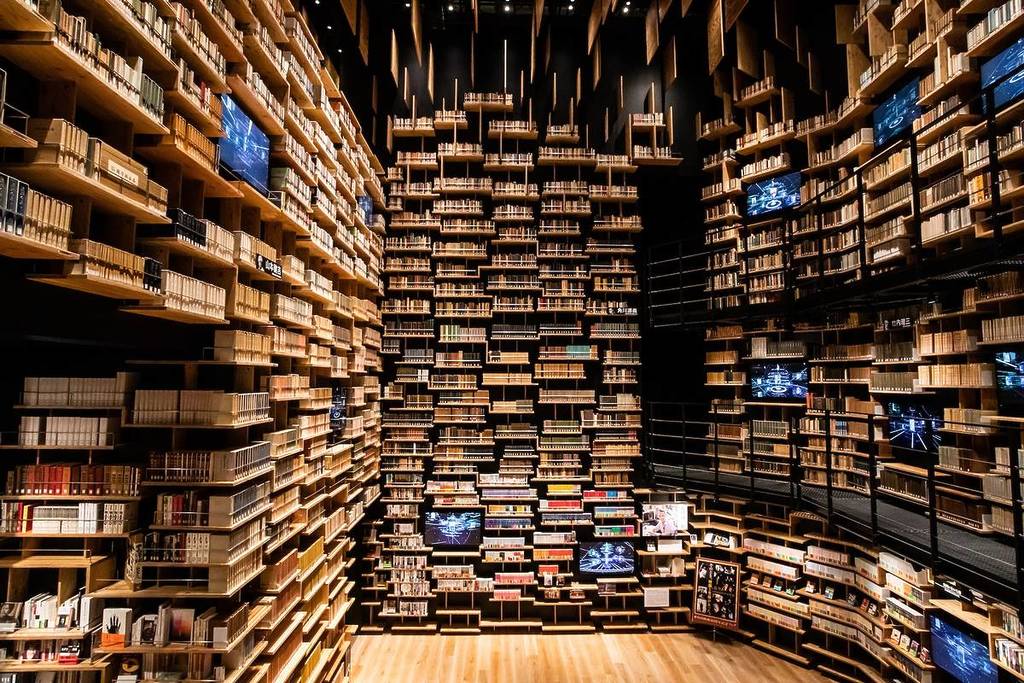
The “Edit Town—Book Street” on the 4th floor is a “town of books” where you can feel the pulse and bustle of literature. Curated by Seigo Matsuoka, approximately 25,000 books are displayed along a 50-meter stretch. It’s a space where you can discover new books and let your imagination run wild.
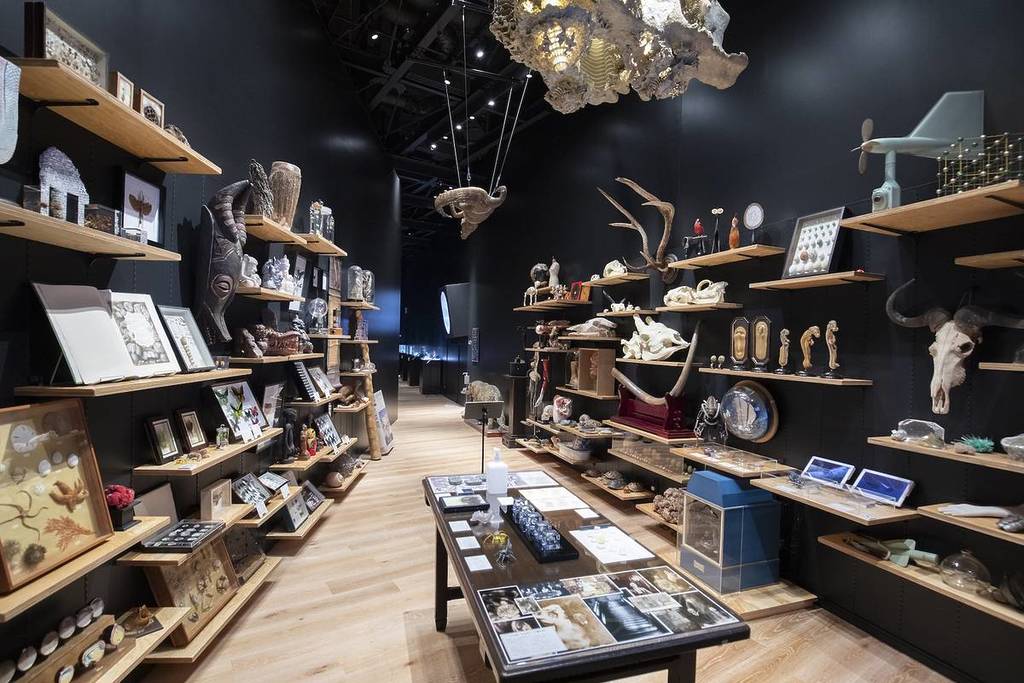
The adjacent “Aramata Wonder Museum” is a “cabinet of curiosities” curated by Hiroshi Aramata, who focuses on expressing “imagination” and “anima.” This space, brimming with surprises, brings together a diverse array of exhibits—from Wunderkammer-style collections to academic materials—offering an experience that engages both the eyes and the senses.

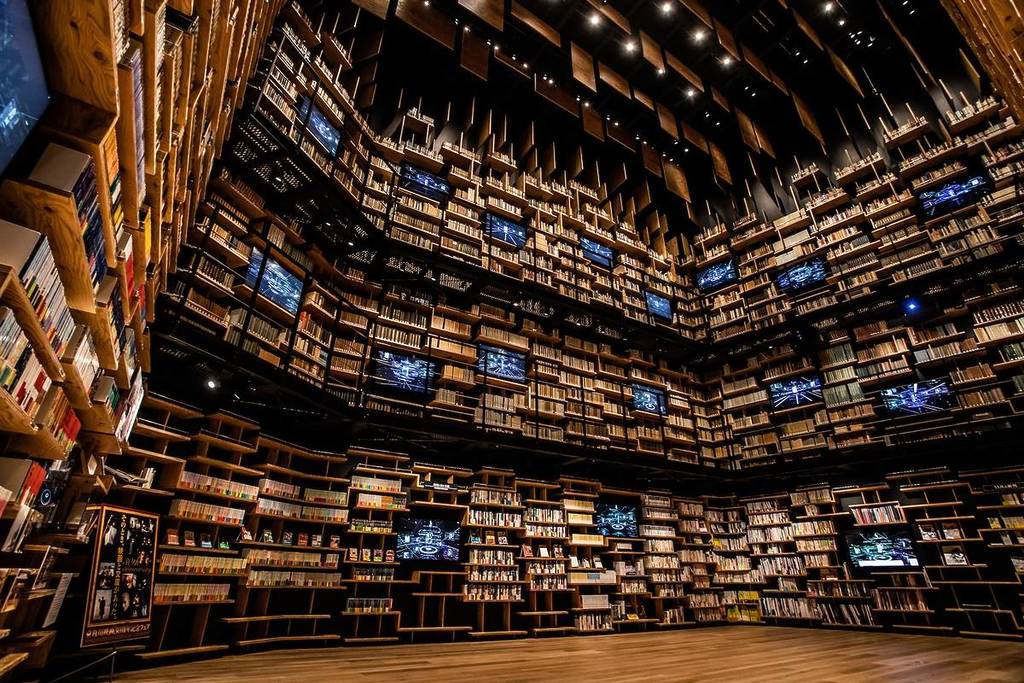
The “Bookshelf Theater,” a reading space surrounded by a massive bookshelf standing approximately 8 meters tall, houses about 20,000 volumes, including KADOKAWA publications and personal collections from authors such as Minoru Kadokawa, Kenkichi Yamamoto, Rizo Takeuchi, and Moriyoshi Hokama. Projection mapping based on the concept of “playing with books and interacting with books” is also screened, offering an immersive experience where the world of books seems to extend beyond their covers.
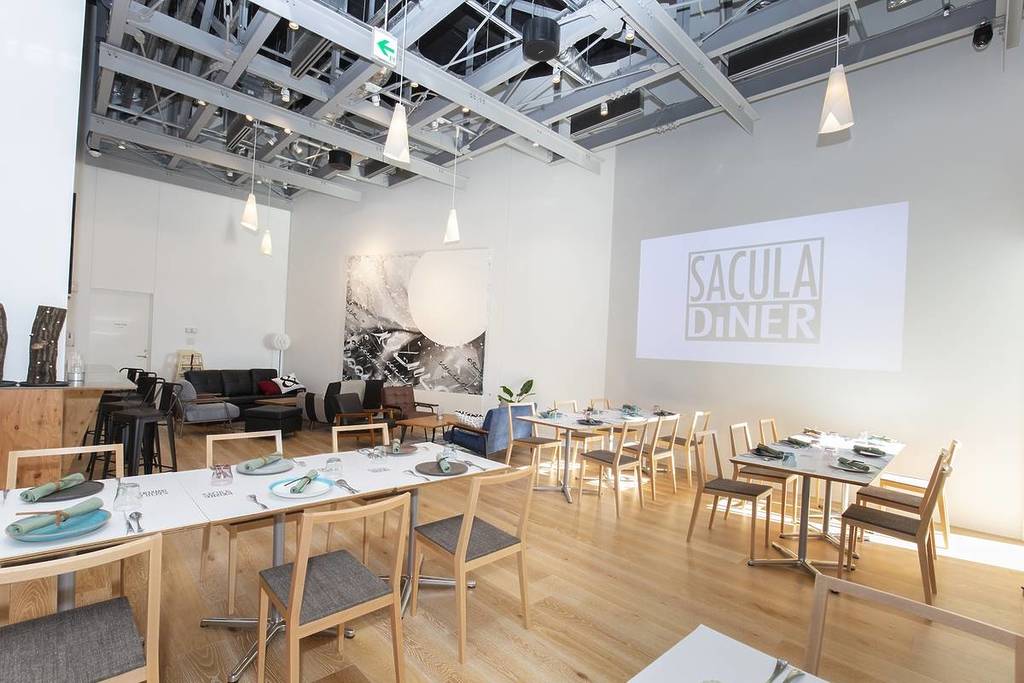
On the 5th floor, the “Musashino Gallery” and “Musashino Corridor” feature books and exhibitions related to the Musashino area. After exploring the museum or before heading home, we recommend enjoying a meal at “SACULA DINER,” which serves “Musashino Cuisine” centered on the theme of local production for local consumption.
In particular, the vegetables are “Mito Vegetables,” grown using a leaf-mulch farming method that has been practiced since the Edo period. Centered around the nature-rich Musashino Plateau, the restaurant incorporates appealing ingredients from various regions and serves them in a style that isn’t bound by conventional cooking methods.
Why not take a short trip from Tokyo and spend a day that satisfies your intellectual curiosity?
Kadokawa Culture Museum
23 October 2026 10:00 + more dates
角川武蔵野ミュージアム