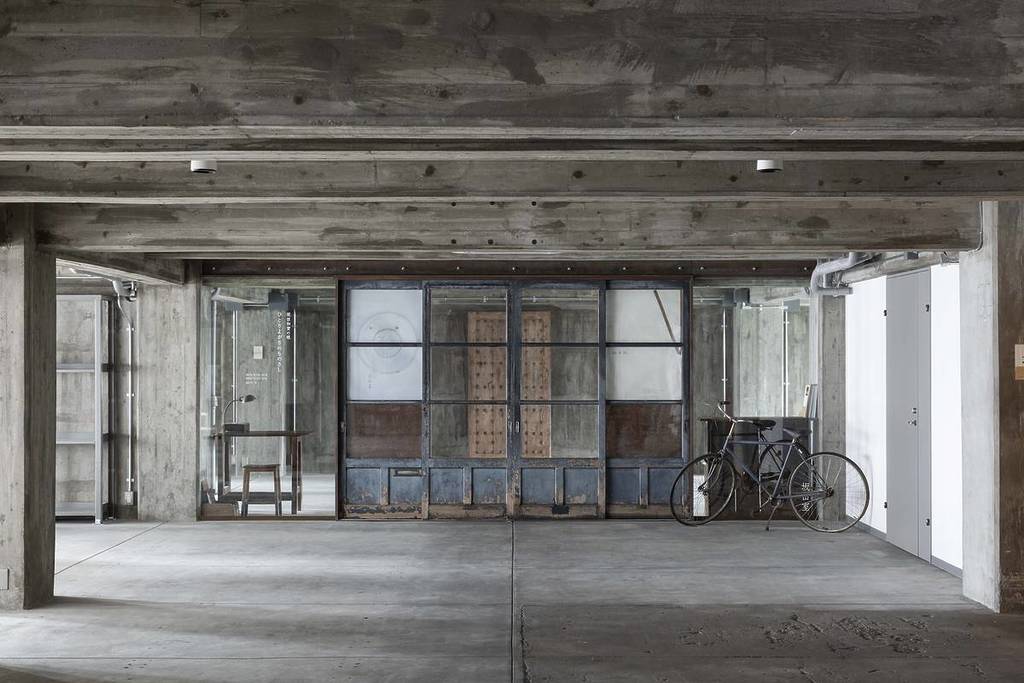

Shinchosha’s main building and warehouse were designated as National Tangible Cultural Properties in 2025. Inside the warehouse, countless thick concrete beams run throughout to support the weight of the massive collection of books.
If you visit the site, you can sense the craftsmanship of the day through the quality of the concrete and the chamfering applied to every corner of the columns and beams.
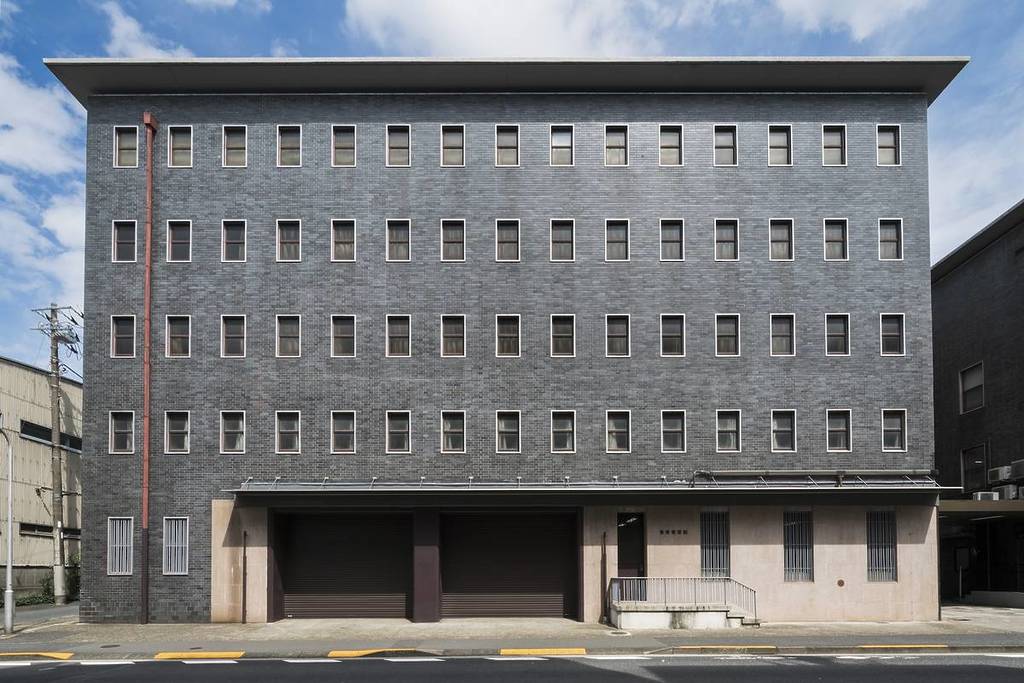
In the past, numerous trucks would line up in front of the warehouse, and books loaded onto their trailers were delivered directly to bookstores across the country. However, as the number of titles continued to rise due to the subsequent publishing boom, new distribution warehouses were built outside the city.
Since then, the warehouse’s role has been significantly scaled back; it was used only for shipping some books and entered a “long slumber” that lasted about 30 years.
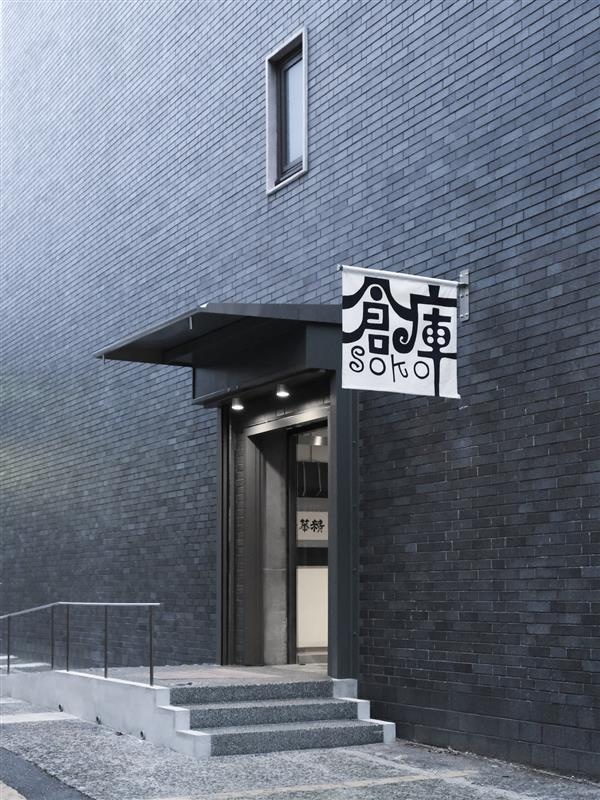
The warehouse was reborn in the fall of 2024. As the first phase of the warehouse renovation project, part of the first floor and the third floor were refurbished, and this year—marking the company’s 130th anniversary—it will open as “soko,” a gallery building dedicated to art and crafts.
“soko” houses the “Sakata Room,“a gallery displaying the crafts collected by the late Kazumi Sakata—whom artist Takashi Murakami described as “one of the leading figures of postwar Japanese culture” — as a space conveying his philosophy that “it is the ordinary things that are truly beautiful. “ It also features “January and July,” a shop specializing in Japanese tableware and antique tools located in the Saint-Germain district of Paris’s 6th arrondissement, which is celebrating its 10th anniversary this year.
“soko” Overview
🗓️ Opening March 27, 2026
📍71 Yarai-cho, Shinjuku-ku
*Partially by reservation only