
July marks the height of summer in Tokyo, a season when the entire city is abuzz with activity. From charming traditional events to the latest immersive experiences, we’ve handpicked some memorable places to visit.
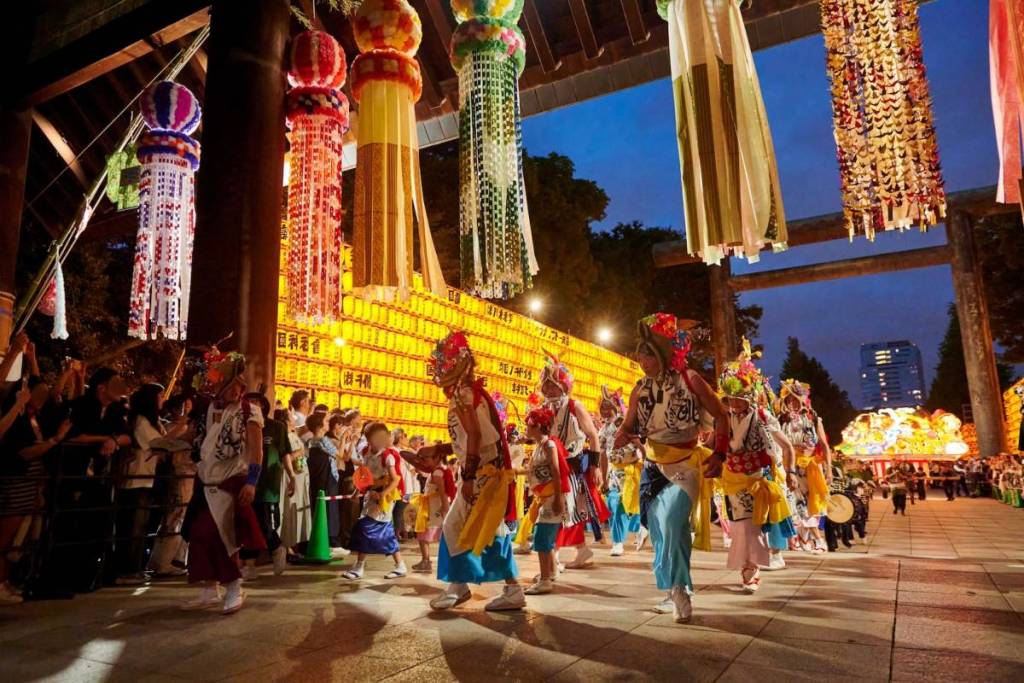
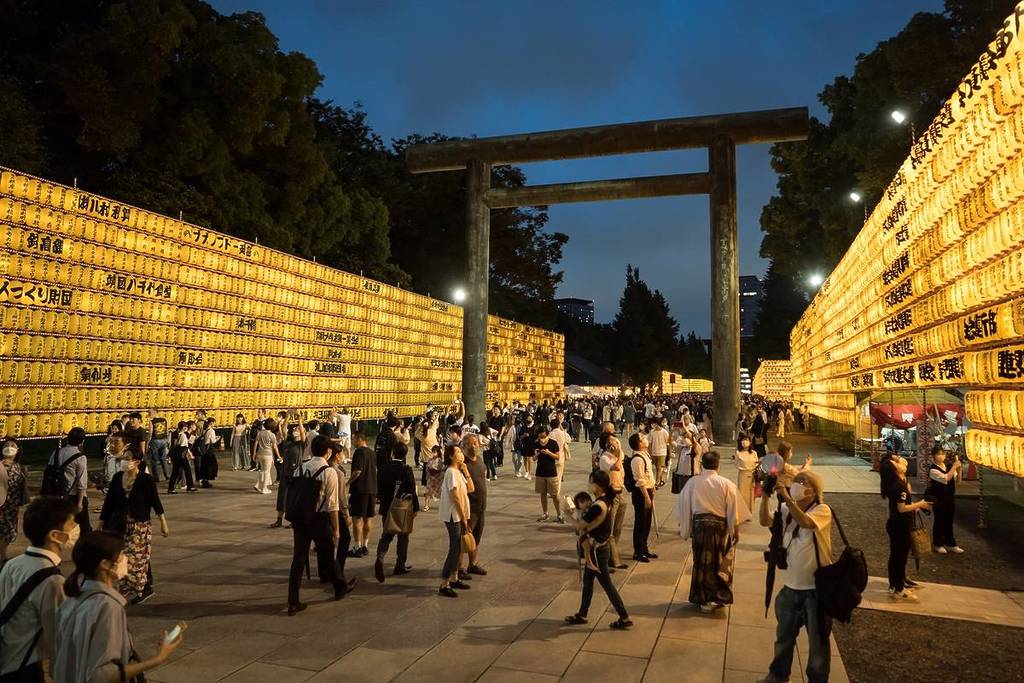
A festival at Yasukuni Shrine that began in 1947, inspired by ancient Japanese beliefs. Numerous lanterns are displayed throughout the shrine grounds to comfort the spirits (mitama) of those who died in war. During the festival, dedicatory events such as the Awa Odori and Aomori Nebuta are held. Food trucks will be set up in the “Garden of Rest” and the Central Plaza in the Outer Garden.
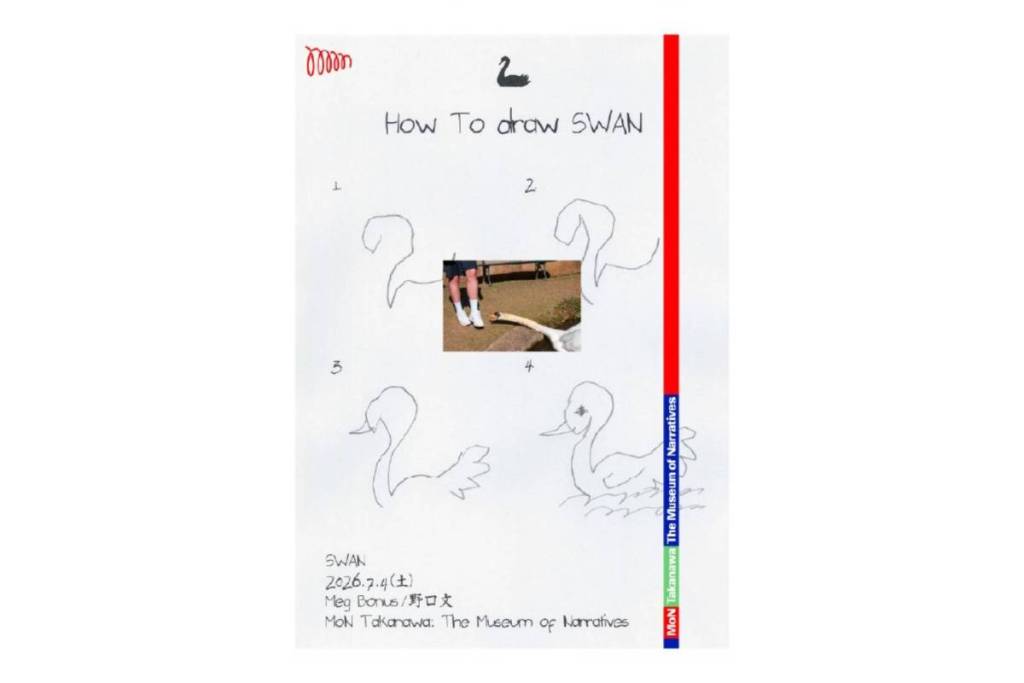
“SWAN” is a music project structured around the very concept of “two groups.” Centered on live sets by each artist, it carefully designs stage transitions, lighting, and the lingering resonance of sound to create a continuous flow where the two performances are experienced as a single, uninterrupted experience.Another defining feature is that, rather than relying on large-scale sessions or improvisational collaborations, the project focuses on the relationships and shifts that emerge between the two acts within a minimalist production framework.
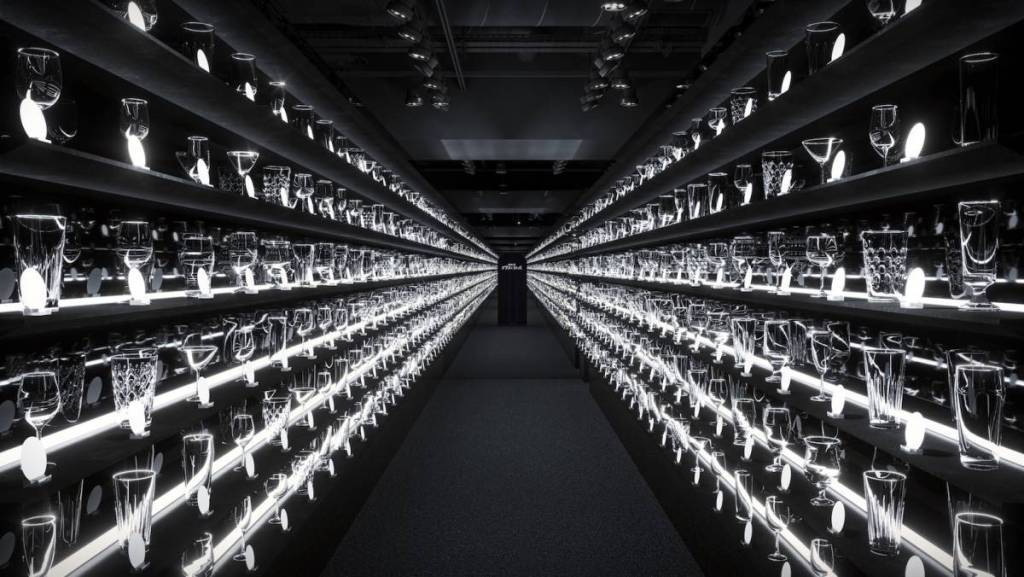
A unique bar experience where guests can choose “words that match their current mood” from a wall lined with glasses and coasters inscribed with various emotions , and then enjoy a cocktail tailored to those words. It offers a moment to reflect on one’s own mood, using words as a starting point. Last year, reservations for all dates sold out within a few days, and approximately 3,900 people attended.
What sets this concert event apart from others is, as the name suggests, the opportunity to enjoy music surrounded by the light of over 1,000 LED candles that envelop the venue. Concerts featuring not only classical music but also jazz, soul, blues, and the latest pop hits have been held at venues around the world, and this unique experience—which even those unfamiliar with classical music can enjoy —has garnered widespread acclaim.
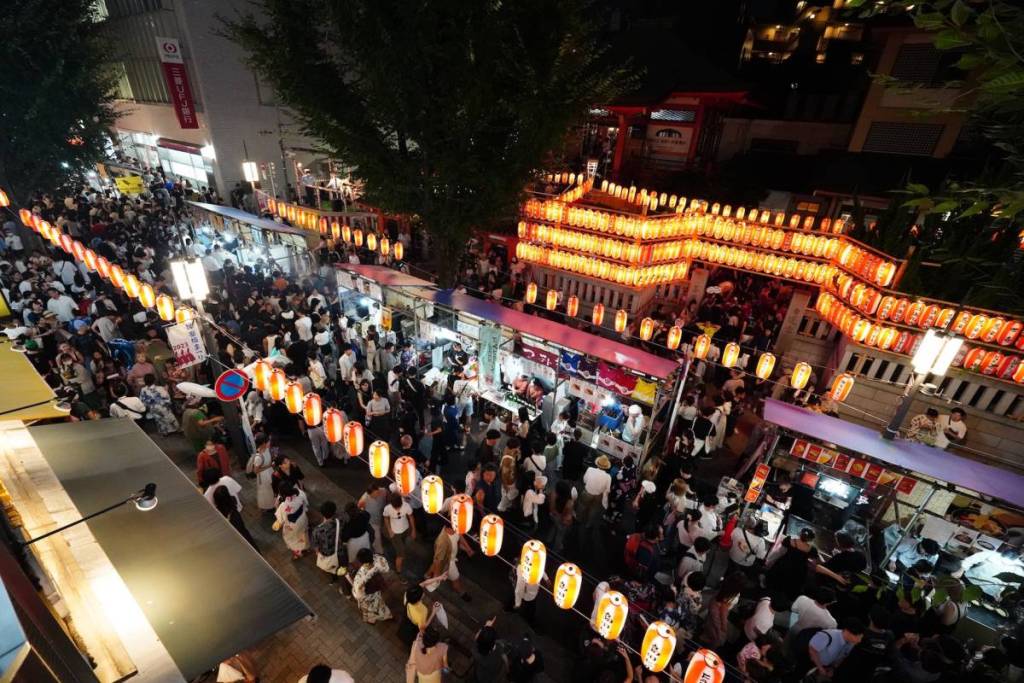
The summer festival in Kagurazaka, which retains the atmosphere of the Edo period. On July 22 and 23 (Part 1), the Hoozuki Market will be held; on July 24 and 25 (Part 1), the Awa Odori Dance Festival will take place; and on July 25, the Children’s Awa Odori Dance Festival will be held.
A lantern floating ceremony will be held at Chidorigafuchi, a beloved cherry blossom viewing spot within the Imperial Palace grounds. Two thousand lanterns, each imbued with people’s gratitude, hopes, and wishes for peace, will be set adrift on the moat. If you purchase a lantern by July 20, you can write your own message of hope on it.

Fifty-three sake breweries from across the country will be exhibiting, showcasing a lineup of over 250 varieties of Japanese alcoholic beverages, including sake, liqueurs, and plum wine. Why not purchase a “Tasting Pass” and find your favorite drink while interacting with the brewers?
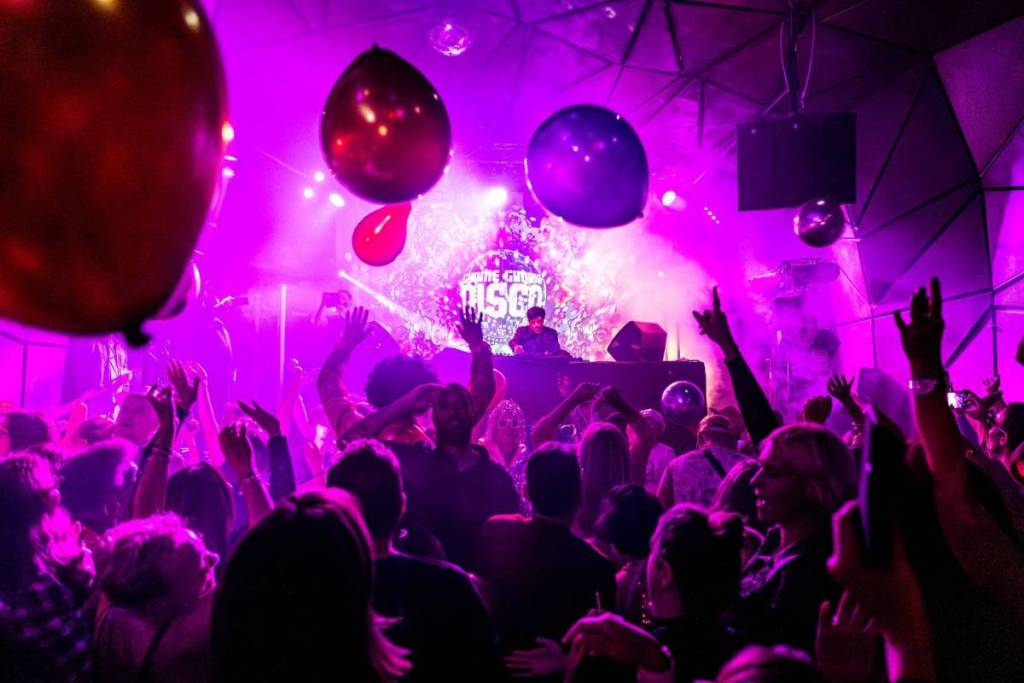
“Gimme Gimme Disco,” a disco event where you can dance your heart out to hit songs from the golden age of disco in the ’70s and ’80s—featuring ABBA, the Bee Gees, Donna Summer, Cher, and more—is making its debut in Japan. To fully immerse yourself in the atmosphere of that era, we recommend disco-style fashion such as sequined dresses, satin shirts, velvet jackets, and shiny boots. Don’t miss this night filled with sparkle and dance!
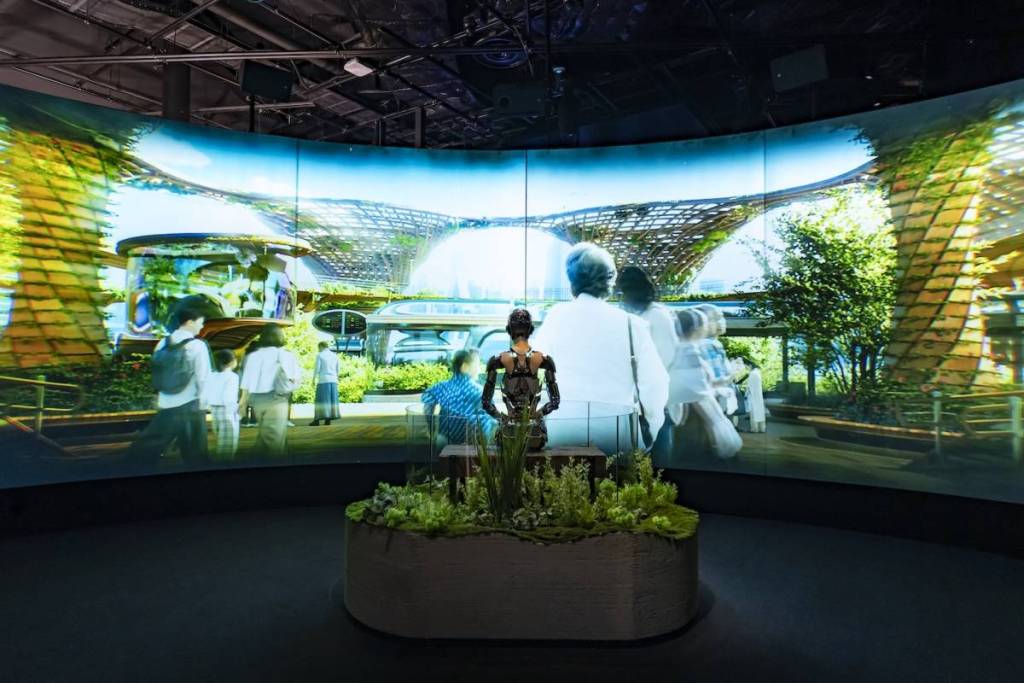
Under the supervision of Hiroshi Ishiguro, a leading authority in robotics and android research, “The Future of Life”—which captivated many visitors at the World Expo—will be presented as “The Future of Life+,” with content restructured specifically for the MoN Takanawa venue. A new scenario is also scheduled to be added, in which visitors will confront “choices for the future of life.”
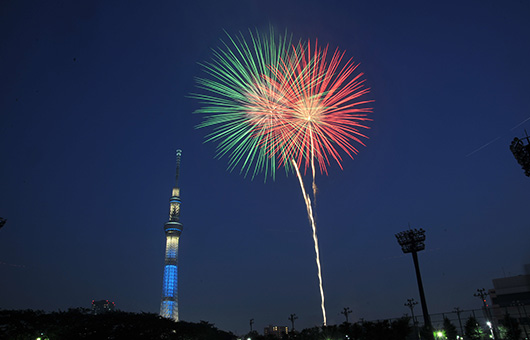
One of Tokyo’s most iconic fireworks festivals, viewed while walking along bridges and surrounding roads near the launch site. It is said to have originated from the “Ryogoku River Opening”—the former name of the Sumida River Fireworks Festival—which followed a water deity festival held by the shogunate in 1732 to mourn the victims of the great famine and epidemics of that year and to pray for the warding off of plagues. In 1733, restaurants around Ryogoku Bridge set off fireworks, marking the beginning of this tradition.
Since the first Tachikawa Summer Fireworks Festival, held in 1954 on the banks of the Tama River near Hino Bridge, this event has been a beloved summer tradition in Tachikawa for over 60 years, cherished by Tachikawa residents and many others living in the Tama region. The “Everyone’s Meadow” and its surrounding areas—where the fireworks are particularly beautiful—have been designated as paid viewing areas.
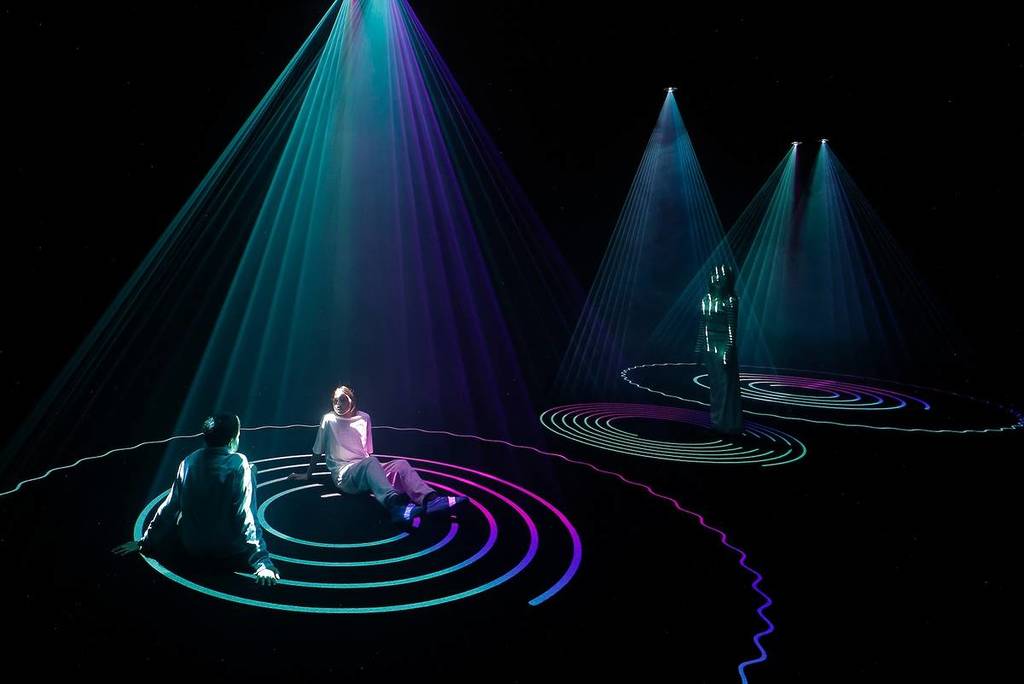
Since time immemorial, humanity has recognized the potential in the “spirals” hidden within the natural world and has used this insight to develop society and civilization. The path we have taken—transforming the laws of the Earth into human wisdom—is the very “story of evolution” itself.From the origins of the universe as revealed by cutting-edge physics, to the ever-circulating cycles of resources and money, skills and festivals passed down across generations, and even daily household chores and finances—this exhibition brings together a collection of stories of “circularity” from all eras and regions.
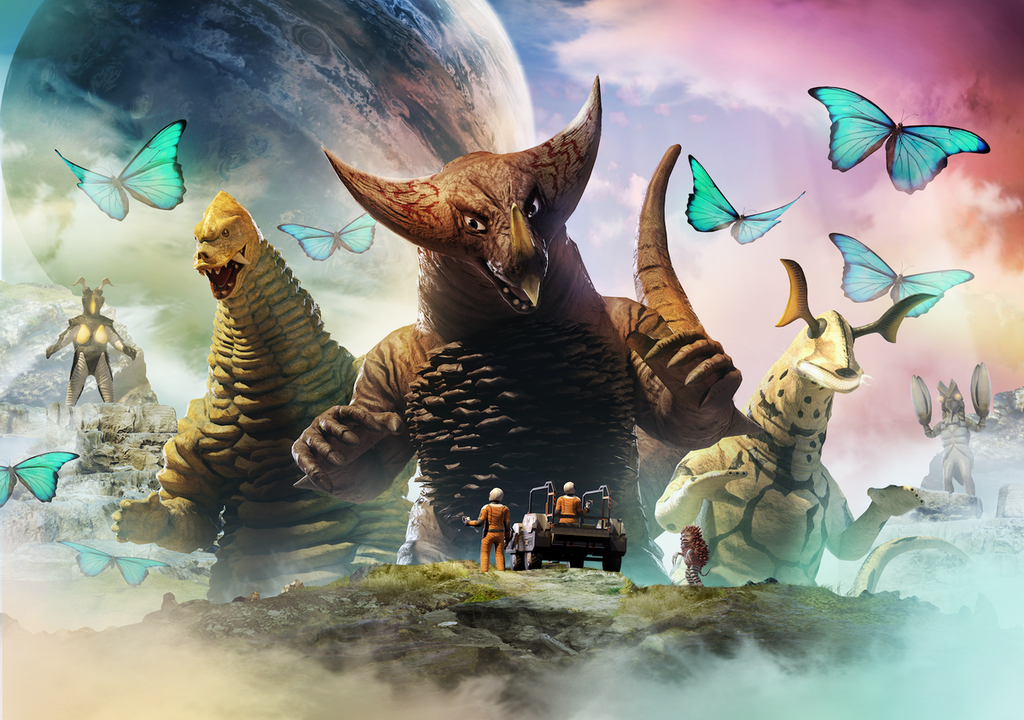
An immersive entertainment facility that offers “magical experiences” through cutting-edge technology and a meticulously crafted world.Multiple experiences are available, including the ride-style attraction “Kaiju no Sumika VR,” which offers a realistic 360-degree “kaiju experience”; “Fluctus,” a VR fantasy attraction where visitors adventure through a mysterious underwater world; and “Tarot VR: Arcana Journey,” which takes visitors on a journey through the world of tarot in a VR space.
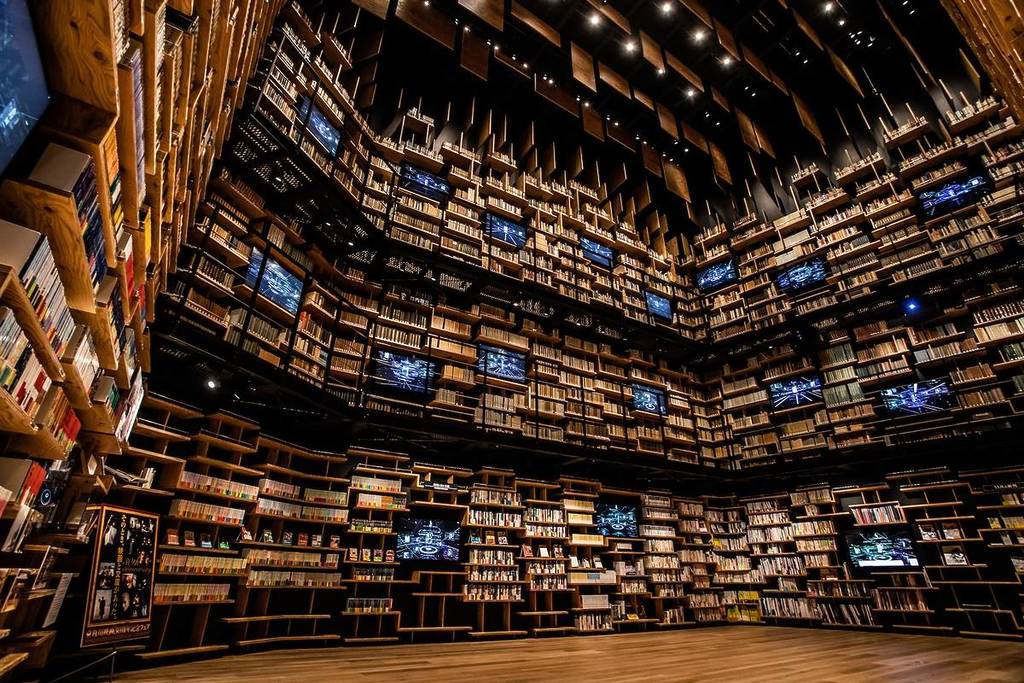
The “Kadokawa Musashino Museum” is a cultural complex that integrates a library, art museum, and history museum. The “Bookshelf Theater”—a reading space surrounded by a massive bookshelf approximately 8 meters high —houses approximately 20,000 volumes, including KADOKAWA publications as well as the personal libraries of Minamoto no Musashi, Kenkichi Yamamoto, Rizo Takeuchi, Moriyoshi Hokama, and others. Projection mapping based on the concept of “playing with books and interacting with them” is also screened, offering an immersive experience where the world of books seems to extend beyond their covers.
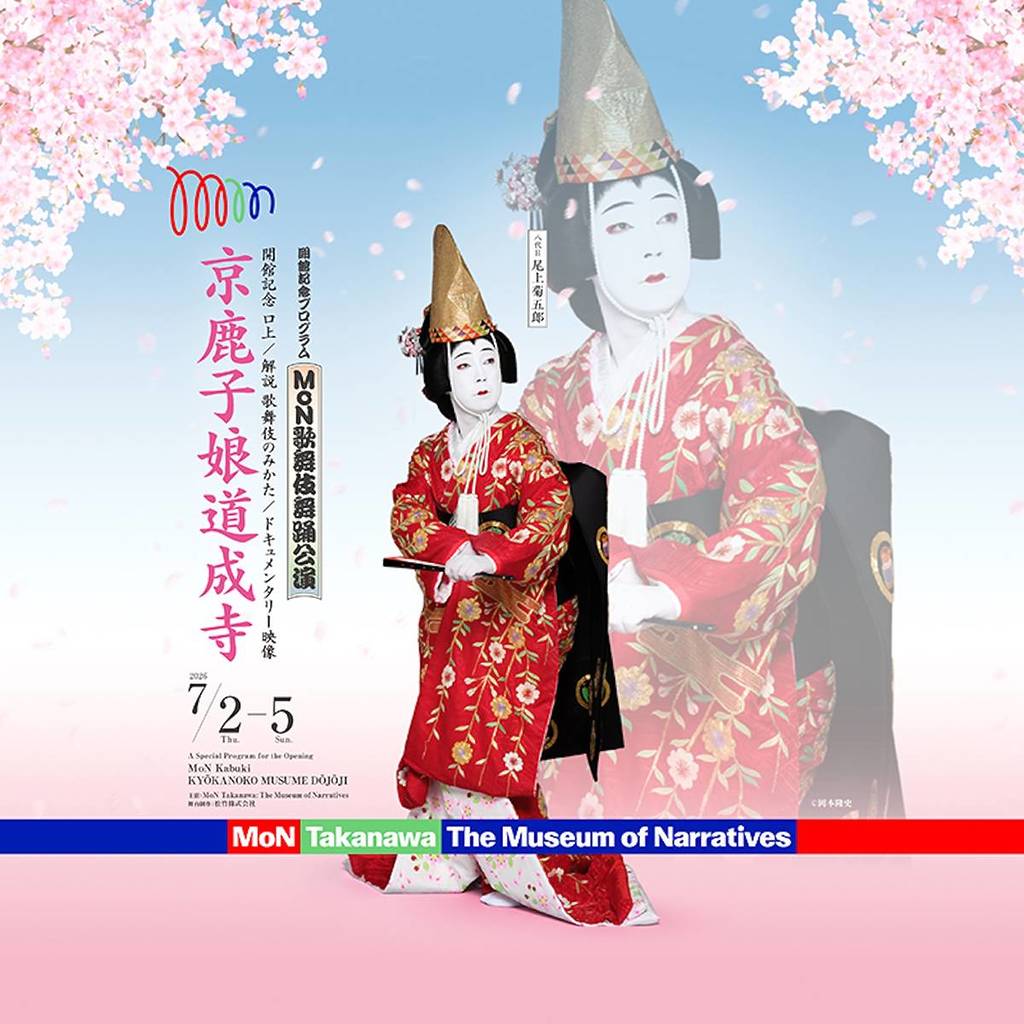
The “MoN Kabuki Dance Performance” combines the pinnacle of contemporary artistry with video projections as a foundation for passing culture on to the next 100 years.By incorporating historical accounts of the art form, technical explanations, and innovative visual direction, the production delivers a completely new Kabuki experience that brings the actors’ performances to life through a blend of time-honored techniques and cutting-edge visual artistry. The first production in this series is the grand onnagata dance piece “Kyō-kanoko Musume Dōjōji.”