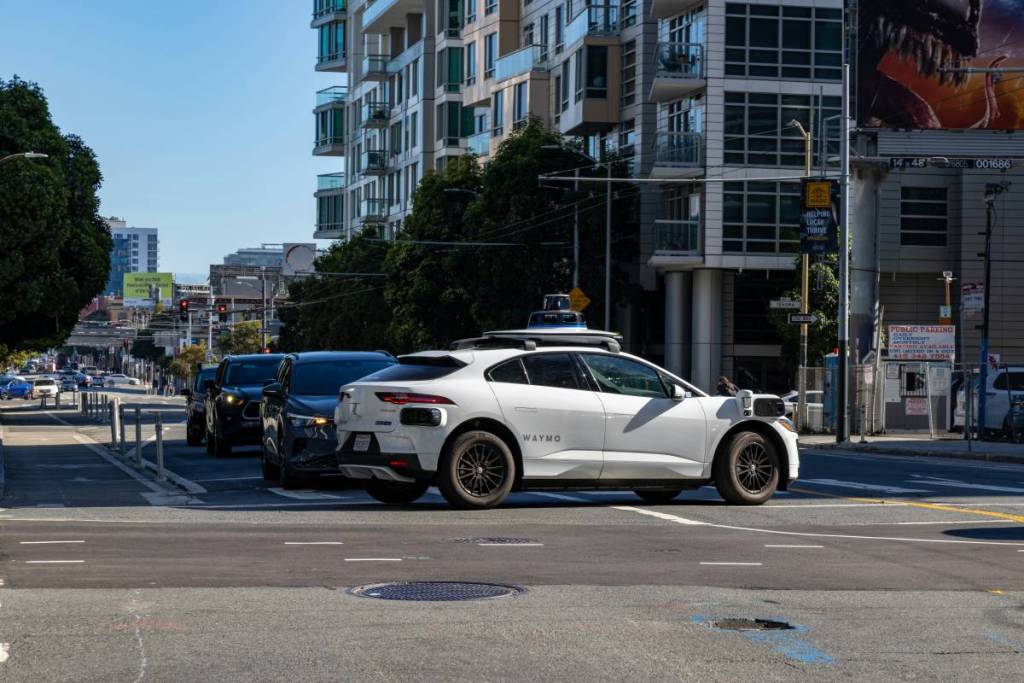

GO, Waymo, and Nihon Kotsu announced on September 15, 2026, that they had reached an agreement on a strategic partnership aimed at the commercialization of autonomous taxis in Tokyo.
They aim to launch Japan’s first commercial taxi service using Level 4 autonomous driving—fully autonomous driving under specific conditions—in Tokyo sometime in 2027.
The three companies have already been conducting public road test runs in seven wards of Tokyo since 2025, and tests with Nippon Kotsu drivers on board are progressing smoothly. Building on this foundation, this agreement marks a transition to the next phase: providing fully driverless, paid services to the general public. While prioritizing safety above all else, the companies aim to begin phased operations with a fleet of 100 vehicles.
Division of Roles Among the Three Companies
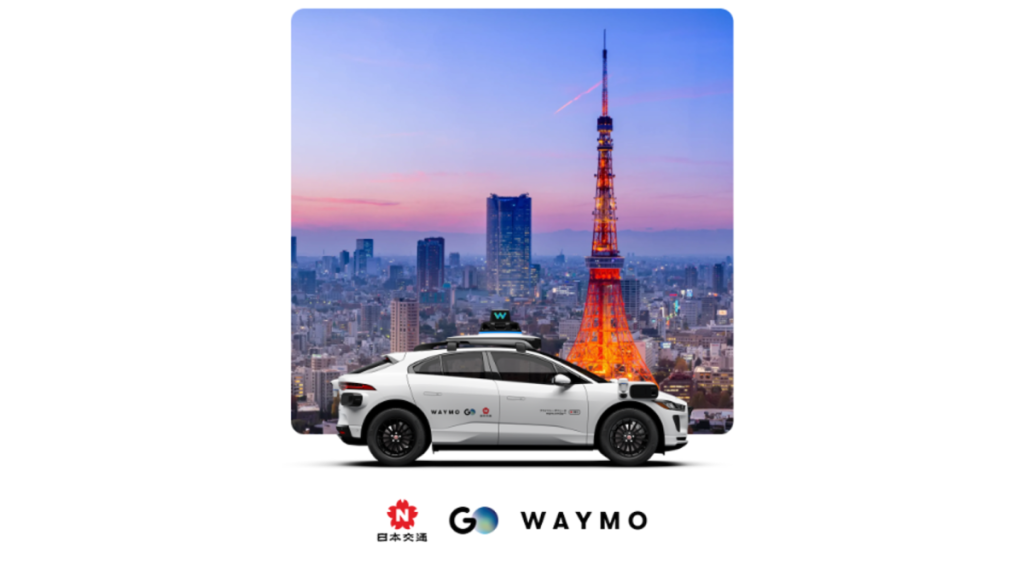
The companies will collaborate by pooling their respective strengths. GO will be responsible for providing services through Japan’s No. 1 taxi app, “GO,” as well as for coordinating with local taxi operators and overseeing the overall design.
In addition to providing autonomous driving system technology, Waymo will supply the operational infrastructure and vehicle management systems, and will accept ride requests through the “Waymo” app. Nihon Kotsu, leveraging its nearly 100 years of experience, will be responsible for on-site operation management and branch office operations.
Data showing that Waymo provides over 500,000 rides per week and is more than 15 times safer than human drivers is one of the reasons behind the expansion into Tokyo. Meanwhile, the official launch date is contingent upon obtaining the necessary permits and approvals under the Road Traffic Act, the Road Transport Act, and other relevant laws, and the companies will proceed with the necessary procedures in collaboration with relevant government agencies and local authorities.
The three companies view this collaboration as more than just the launch of a new service; they see it as a solution to Japan’s structural challenges, such as the worsening shortage of taxi drivers and population decline. Their plan is to build next-generation mobility infrastructure while ensuring coexistence with manned taxis.